ADHD Emotional Exhaustion: Why Masking All Day Leaves You Empty
A full day of looking fine costs more than the work itself. What emotional exhaustion feels like with ADHD, the signs, and where to put the mask down.
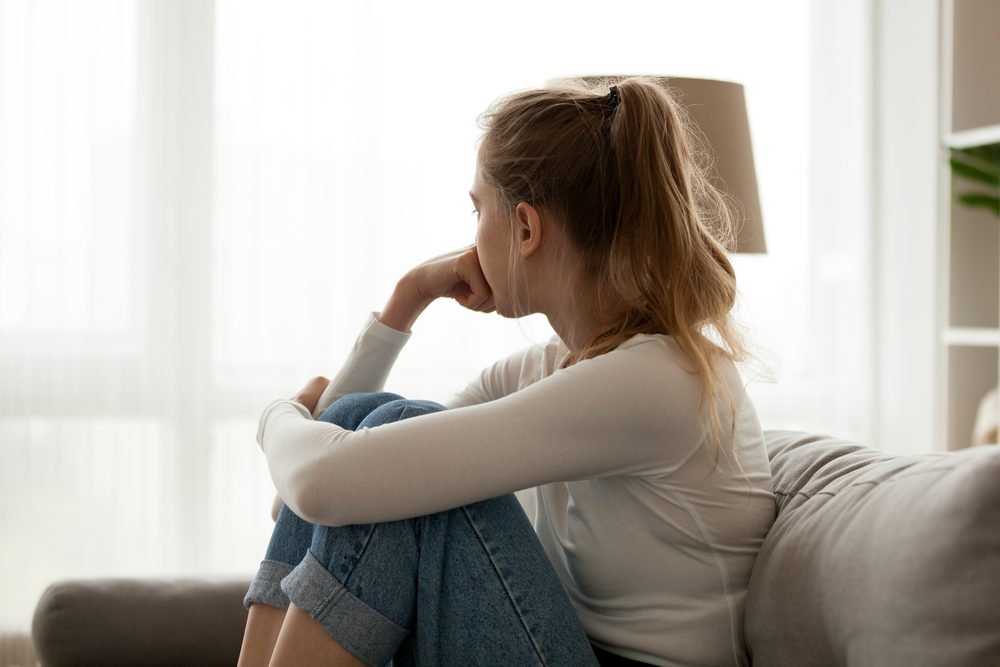
It is 7 p.m. You got through the day. Nobody noticed you re-reading the same email five times, or that you rehearsed your two sentences for the meeting on the drive in. Now you are on the couch and you cannot name a single feeling. Not sad. Not tired, exactly. Just gone.
ADHD emotional exhaustion is what a day of invisible effort costs. Most of that effort went into looking like someone who does not have ADHD, and the work is real even though it produces nothing anyone else can see.
This post describes what the exhaustion feels like, where it comes from, how to tell it from ordinary tiredness and from burnout, and where it is safe to stop performing.
What emotional exhaustion feels like with ADHD
People describe it in different ways, and the descriptions rarely sound like tiredness. Numb. Scraped out. Nothing left to give. Unable to answer a simple question like what do you want for dinner, because answering needs something that has run out. Small requests feel like large ones. A kind text goes unanswered for days, not because you do not care, but because replying requires becoming a person again and you are not sure where that person went.
The physical body may be fine. You could walk ten kilometres. What you cannot do is make one more decision, absorb one more piece of feedback, or hold one more face in place. That distinction is the clue to where the exhaustion comes from.
Masking: the effort nobody sees
Masking is the ongoing work of hiding ADHD traits so that you pass as someone without them. Most adults with ADHD learned it early, usually from being corrected, and most do it without deciding to. A typical workday might include:
- Holding still in a meeting when every muscle wants to move, and monitoring your hands to make sure they are not fidgeting visibly.
- Rehearsing sentences before saying them so you do not interrupt, go off on a tangent or forget the point halfway through.
- Re-reading messages three or four times before sending to catch the typo, the missed attachment, the tone that might land wrong.
- Laughing at the right moment in a conversation you lost the thread of two minutes ago.
- Pretending to remember a name, a date, a thing someone told you last week.
- Explaining lateness or a missed step with a plausible reason that is not the real one, because the real one is always the same.
Each of these is a small act of regulation, and regulation draws on a limited pool. By evening the pool is dry. A clinician assessing you will often ask about this directly, because it changes how symptoms show up on questionnaires; we explain how in what masking looks like in adults with ADHD and how it is assessed. Women and people diagnosed late tend to have the most practised masks, and often the deepest exhaustion.
Signs you are running on empty
Emotional exhaustion builds slowly, so the signs are easy to explain away one at a time. Together they are a pattern.
- Social withdrawal that is not about the people. Cancelling plans with friends you like, because seeing them means performing.
- The evening collapse. Scrolling for two or three hours without enjoying any of it, because it asks nothing of you.
- Flat affect at home. Short answers, no warmth, and guilt about both.
- Irritability out of proportion. The dishwasher loaded wrong feels like a personal attack.
- A harder mask. Masking more at work, not less, because the margin for error feels smaller.
- Losing the thread of what you want. Difficulty naming a preference, an opinion or a feeling, because the system that generates them has been overruled all day.
- Dread on Sunday night that is not about any particular task.
How it differs from physical tiredness and from burnout
Physical tiredness responds to sleep and a weekend. Emotional exhaustion from masking often does not, because the mask goes back on Monday morning and the account drains again. If two nights of good sleep leave you rested in body and still empty in every other way, that is a useful signal.
Burnout is the next stage, where the exhaustion becomes chronic and starts to come with cynicism about the work, reduced capacity, and a sense that effort no longer produces anything. Emotional exhaustion is often the leading edge of it. The difference matters for what to do: exhaustion from masking can be eased by changing how much you mask, while burnout usually needs a change in load as well. We go through the overlap in is it ADHD or just stress and burnout, and the early warning signs in recognizing the signs of ADHD-related burnout.
Reducing the mask where it is safe to
Nobody can drop the mask everywhere, and in some workplaces it would be unwise to try. The goal is to find places where it can come off, and let it, so the pool refills during the day instead of only at midnight.
- Pick one person who gets the real version. A partner, a sibling, one friend. Tell them explicitly: with you I am going to stop editing. It is startling how much energy one unedited relationship returns.
- Stop apologising for the fidget. Use a quiet fidget tool in meetings and do not explain it. Most people never notice, and the ones who do rarely care.
- Replace the plausible excuse with a short true one. I lost track of time is honest and complete. You do not owe anyone the full diagnosis to stop lying about the small stuff.
- Ask for the accommodation instead of compensating for its absence. Written instructions, agendas in advance, a quieter desk. Each one is masking you no longer have to do. In Canada, a documented diagnosis supports these requests under human rights law.
- Build an unmasked hour into most days. Alone, doing something that does not require monitoring yourself: a walk, a shower, a hobby with your hands. Building rest into daily routines has practical ways to protect it.
- Consider telling your manager something, not everything. You can disclose a disability and request accommodations without naming the diagnosis.
Support options, and what to try this week
If the emptiness has lasted more than a couple of weeks, if it comes with a persistent low mood or a sense of hopelessness, or if you have stopped caring whether things get better, please treat that as more than tiredness and talk to your family doctor. If you are having thoughts of suicide or self-harm, Canada's 9-8-8 Suicide Crisis Helpline is available by call or text, 24 hours a day, 7 days a week.
Therapy with someone who understands ADHD can help with the specific work of unlearning a mask that has been on for decades, and with the shame that often sits underneath it. Finding Focus offers CBT and ADHD coaching in Ontario through our therapy program. If you have never been assessed and the masking section read like a description of your week, the clinic provides online ADHD assessment and treatment for adults and teens in several Canadian provinces, with one consultation with a licensed Canadian clinician after a short online intake and no referral needed.
This week, do two things. Name one person who gets the unedited version, and tell them. Then stop explaining the fidget. That is enough to start noticing how much of the day's effort was never about the work.
References
- 1.CADDRA (2020). Canadian ADHD Practice Guidelines, 4.1 Edition. View source ↗
- 2.Beaton, D. M., Sirois, F. and Milne, E. (2022). Experiences of criticism in adults with ADHD: A qualitative study. PLOS ONE, 17(2), e0263366. View source ↗
- 3.9-8-8 Suicide Crisis Helpline (Canada). View source ↗
This article is for educational purposes only and is not medical advice, diagnosis, or treatment. Always consult a licensed healthcare professional about your individual situation. If you are in crisis or thinking about self-harm, call or text 9-8-8, Canada’s Suicide Crisis Helpline, at any time.
Finding Focus uses AI tools to help research and draft some articles. Every article is edited and fact-checked by the Finding Focus team before publication. See our editorial and medical review policy.