When Showering Feels Like a Chore: ADHD and Hygiene Routines
ADHD hygiene struggles are about transitions, sensory load and no payoff, not laziness. Fewer steps, event anchors, sensory swaps and a floor routine.
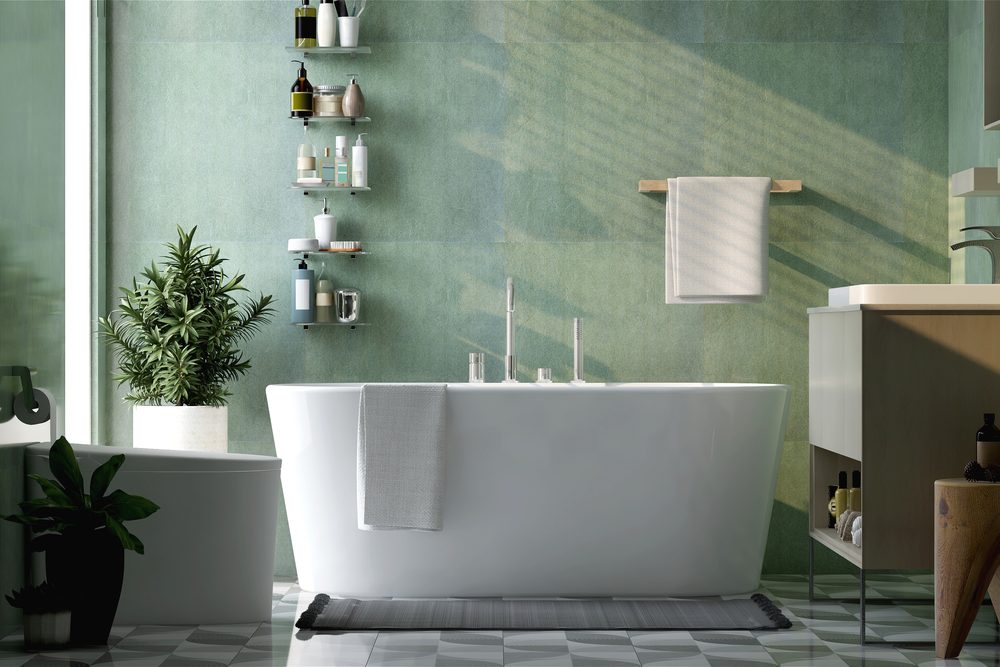
You know you need a shower. You have known for a while. You are sitting on the edge of the bed, fully aware that it takes ten minutes and that you will feel better afterwards, and you still cannot make your body stand up and walk to the bathroom. Later, you will feel bad about it, which does not help you get there tomorrow.
ADHD hygiene struggles are common, rarely discussed, and almost never about not caring. Showering, brushing teeth, washing hair: each is a transition, a sensory event and a task with no immediate reward, which is three things an ADHD brain finds hard at once. This post is written without judgement and with practical fixes, including what to say to a clinician if you want to raise it.
Why hygiene tasks stall: transitions, sensory load, no reward
Transitions. A shower means stopping what you are doing, going to a different room, undressing, getting wet, getting dry, getting dressed again. That is five changes of state. Each one is a small hill, and for many people with ADHD the hills are steeper than they look. The problem is often not the shower. It is the getting-in and the getting-out.
Sensory load. Water temperature that keeps changing, the sound of the spray, the feeling of wet hair on the neck, the cold air after, the texture of a towel, the taste of toothpaste, the buzz of an electric toothbrush. Some people with ADHD barely notice these. Others find them genuinely unpleasant, and an unpleasant task with no deadline is an easy one to postpone.
No reward. Brushing your teeth does not feel like anything. The benefit is a dental visit in eight months that goes fine. That is a long way to send a reward signal, and executive dysfunction makes it hard to act on benefits that far away. Add that nobody sees whether you brushed, and the usual social nudge is missing too.
Removing steps: products in reach, towels where you stand
Every step between you and the task is a place to stall. Count them honestly, then remove as many as you can.
- Towel on a hook within arm's reach of the shower, not in a cupboard down the hall. The cold step after the water is where many people decide not to bother next time.
- Clean clothes or pyjamas in the bathroom before you get in. Walking wet to the bedroom to find pants is a step. Remove it.
- One bottle, not five. A combined body and hair wash removes two decisions. If you need separate products, line them up in the order you use them.
- A toothbrush and toothpaste in two places, by the kitchen sink and in the bathroom, so brushing can happen wherever you already are. Nothing says it has to be the bathroom.
- Dry shampoo and face wipes on the bedside table for the nights the shower is not going to happen. They are not a failure. They are a floor.
- A shower stool if standing for ten minutes is part of the problem. Sitting changes the whole experience for some people, and the stools cost very little.
Anchoring hygiene to events, not times
"Shower at 7 a.m." asks you to notice the clock, which ADHD makes unreliable. "Shower after the kettle boils" asks you to notice something you were already going to do. Events are better anchors than times because they arrive on their own.
- Teeth get brushed right after the first coffee is finished, cup still in hand, at whichever sink is nearest.
- The shower happens before the first screen of the day, or straight after a workout or a walk, when you are already in transition and already warm.
- Evening teeth get brushed when the dishwasher starts, or when the show you are watching ends, not at bedtime, because bedtime is the transition most likely to collapse.
- Hair wash days are fixed to a day of the week, not a feeling of needing it. Tuesday and Friday, say. No daily decision.
This is habit stacking applied to the bathroom, and it works for the same reason it works elsewhere: the existing habit carries the new one. Our post on using habit stacking walks through choosing anchors that hold.
Sensory swaps for water, textures and smells
If the sensory side is the real barrier, changing the inputs often helps more than any schedule. Try one swap at a time and keep what works.
- Water. A different shower head changes the spray from needles to rain, or the other way. A thermostatic valve or simply a marker line on the tap handle fixes the temperature hunt. A bath instead of a shower removes the spray entirely.
- Textures. A microfibre or waffle towel instead of thick terry if terry feels wrong. A washcloth or a soft brush instead of a loofah. Unscented products if scent is the issue.
- Sound. A speaker playing something you like, or earplugs in the shower if the spray noise is the problem. A bathroom fan that is quiet, or off.
- Cold after. A towel warmer or simply the towel on the radiator in winter. A bath mat that is not freezing. A robe on the hook so the cold step is one second long.
- Teeth. Toothpaste in a mild flavour or none, a manual brush if electric buzzing is unbearable, a flosser instead of string.
- Hair. A shorter cut that dries fast, a leave-in product that removes the rinse step, a microfibre turban so wet hair is off the neck.
If sensory sensitivity runs through more of your life than the bathroom, that is worth knowing about. Our post on the link between ADHD and sensory processing issues covers how the two overlap, and clinicians have their own way of telling sensory processing issues apart from ADHD.
A minimum routine for low-capacity days
Some days the full routine is not going to happen, and the all-or-nothing trap is to do nothing because you cannot do everything. A written minimum, decided in advance, gives those days a floor. It is not the goal. It is the version that keeps you feeling human until capacity comes back.
- Teeth, once, wherever you are, even if it is in the kitchen with no toothpaste.
- Face and armpits with a wipe or a cloth at the sink. Ninety seconds.
- Dry shampoo, or hair tied back.
- Clean underwear and a clean shirt. The rest can wait.
- Deodorant. Done. Nothing else is required today.
Write this on a card and stick it inside the bathroom cabinet. On a low day, the decision is not whether to do hygiene. It is to do the card.
Talking about it without shame, including with a clinician, and what to try this week
Hygiene struggles carry more shame than almost any other ADHD symptom, which is exactly why they are worth saying out loud. A partner who knows that the shower is a transition problem, not a sign you have given up, can offer a nudge instead of a comment. A friend can be a body double on the phone while you brush your teeth. Nobody has to find this strange.
It is also worth raising with a clinician, especially if it is new or has got noticeably worse. Changes in self-care can go with ADHD, and they can also go with low mood, burnout or other things a clinician would want to ask about, so describe it plainly: "I have trouble starting showers and brushing my teeth, and it has been like this for months." That sentence is enough. If you are in a very low place, Canada's 9-8-8 Suicide Crisis Helpline is available by call or text, 24 hours a day, 7 days a week. For an ADHD-specific conversation, online assessment with a licensed Canadian clinician is available in several provinces, and no referral is needed.
- Move the towel and tomorrow's clothes into the bathroom tonight.
- Pick one event anchor for teeth and one for the shower. Write them down.
- Choose one sensory swap and buy or change it this week.
- Write the five-line minimum routine on a card and tape it inside the cabinet.
- Tell one person, in one sentence, that this is a thing you deal with.
This article is for educational purposes only and is not medical advice, diagnosis, or treatment. Always consult a licensed healthcare professional about your individual situation. If you are in crisis or thinking about self-harm, call or text 9-8-8, Canada’s Suicide Crisis Helpline, at any time.
Finding Focus uses AI tools to help research and draft some articles. Every article is edited and fact-checked by the Finding Focus team before publication. See our editorial and medical review policy.