ADHD and Sugar Cravings: Why They Spike at Night and What to Do
Why an ADHD brain goes looking for sugar at 9 p.m., what the evidence does and does not say, and structural changes that cut cravings without a diet.
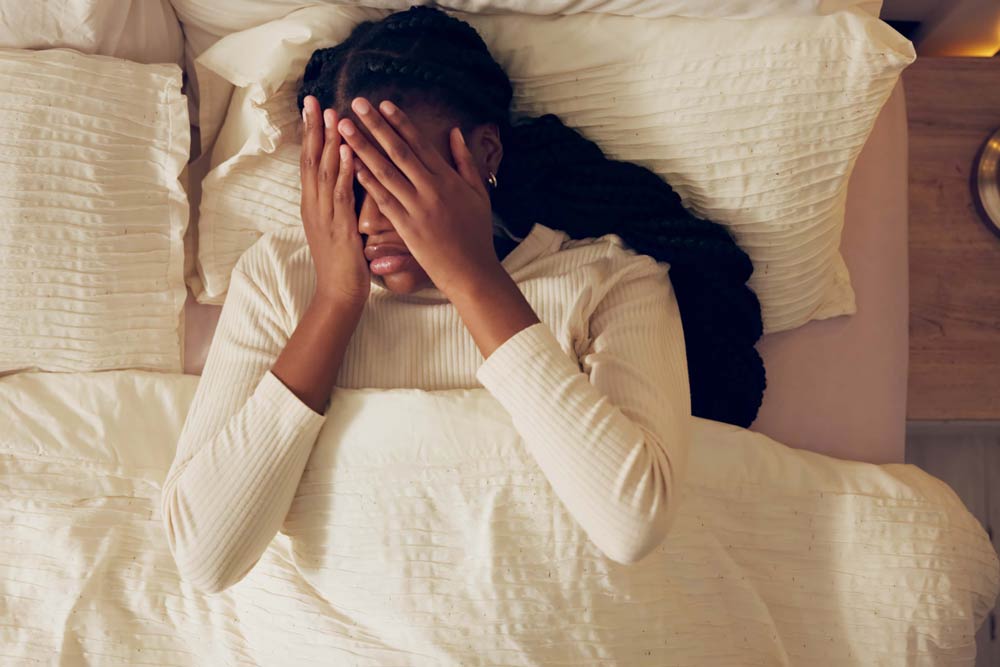
Dinner was two hours ago. You are not hungry. You are standing in front of the open cupboard anyway, and you already know what is coming: the cookies, then the cereal, then the vague plan to eat better tomorrow. It happens most nights, and almost never at 10 in the morning.
ADHD and sugar cravings are tied together in a few specific ways, and none of them is a lack of discipline. This post separates craving from hunger, explains why the pull peaks in the evening, looks honestly at what the evidence says about sugar and ADHD symptoms in adults, and lists changes to the structure of your day that make the 9 p.m. cupboard visit a lot less likely.
Cravings versus hunger: what is actually being chased
Hunger builds slowly, sits in the body, and will accept almost any food. A craving arrives fast, lives in the mouth and the head, and wants one specific thing, usually sweet, often crunchy, almost always quick. Hunger ends when you are full. A craving ends when the feeling it was chasing shows up, which is why you can eat a whole sleeve of something and still be looking.
With ADHD, the feeling being chased is very often stimulation. A brain that has been under-rewarded all day, or that has just finished the last demanding task and dropped into an empty evening, reaches for the fastest reward in the house. Sugar is cheap, immediate and reliable. The craving is less about the cookie than about the three seconds after it.
Reward, dopamine and the evening dip
Sugar triggers a quick reward response, and ADHD brains tend to weight immediate rewards more heavily than delayed ones. That alone would make sweets harder to walk past. Add the evening, and three things stack up at once.
- Effort is spent. Self-control is a limited daily resource, and ADHD spends it faster: more masking, more compensating, more redoing. By 9 p.m. the tank is empty and the cupboard is right there.
- Structure ends. The workday had demands and distractions. The evening has a couch and a screen. Boredom is a craving trigger for everyone, and ADHD boredom is louder.
- Medication can wear off. Some people who take stimulant medication find appetite is quieter during the day and comes back strongly in the evening, right as the medication's effect fades. If that is your pattern, tell your prescriber; the timing of meals and doses is their territory, and the answer on how ADHD treatment affects eating routines explains what they look at.
Short sleep adds a fourth layer. Tired brains crave more sugar and more of it, and many adults with ADHD are running on short sleep most of the week. The night snack and the late bedtime feed each other.
Skipped lunches, late dinners and the 9 p.m. sugar run
Look at the day before the craving. If breakfast was coffee, lunch was forgotten or eaten at 3, and dinner landed at 8:30, the evening is not a craving problem. It is a body catching up on a deficit using the fastest calories it can find. Under-eating during the day reliably produces over-eating at night, and it does so even in people who never think of themselves as under-eaters.
ADHD makes the daytime gaps more likely. Hunger cues are easy to miss during hyperfocus. Lunch needs a decision and a transition, both of which cost something. If medication flattens appetite, the gap gets wider. By the time the evening arrives, the body has been running a tab all day, and it wants to settle it in sugar.
What the evidence says about sugar and ADHD symptoms in adults
The old worry that sugar causes or worsens ADHD does not hold up well. The best-known controlled trials were done in children, and when researchers pooled them, sugar had no measurable effect on behaviour or thinking compared with a sweetener the children could not tell apart. Parents who were told their child had just had sugar rated the child as more hyperactive even when the child had not. In adults, the evidence is thin in both directions; there is no good trial suggesting sugar makes adult ADHD symptoms worse, and none suggesting it is harmless.
What is well established is less dramatic and more useful. A sugar-heavy evening costs you a worse night's sleep and a flatter next morning, and a day of blood sugar spikes and crashes makes attention and mood harder to hold steady. So sugar is not the cause of your ADHD, and cutting it will not treat it, but the nightly pattern is still worth changing for the sake of tomorrow. Our post on how sugar and processed foods affect ADHD symptoms goes further into the research.
One more honest line. If the evening eating feels out of control, happens in a rush, and leaves you ashamed, that is a different pattern from a craving, and it deserves its own attention. The answer on ADHD and binge eating disorder explains how clinicians approach the two together. If food and mood have become a dark place, Canada's 9-8-8 Suicide Crisis Helpline is available by call or text, 24 hours a day.
Small structural changes that reduce cravings without a diet
None of this involves banning sugar, which with ADHD tends to last until Thursday and end in a worse Thursday. The aim is to change the day so that the evening does not have to carry it.
- Eat lunch, on a clock. Set a noon alarm named Lunch and keep a default lunch you never have to decide: a bagged salad with a tin of fish, a wrap with hummus and leftover chicken, eggs on toast. Protein and fibre, not just carbs.
- Add a 3:30 p.m. snack. An apple with peanut butter, cheese and crackers, a handful of nuts. This is the single change that most reduces the 9 p.m. run, because it closes the gap before dinner.
- Move dinner earlier if you can. A 6:30 dinner gives the evening less runway than an 8:30 one.
- Plan the sweet thing. A planned dessert at 7:30, portioned, eaten sitting down, beats a forbidden one at 9:45 eaten standing in the dark. Buy single-serve or freeze portions so the decision is made once.
- Keep one default evening snack ready. Greek yogurt with frozen berries, popcorn, a sliced apple. When the craving comes, the answer is already in the fridge.
- Give the brain something else to chew on. If the craving arrives in the gap between dinner and bed, it is often boredom. A short walk, a game, a phone call, a shower. Stimulation, not sugar.
- Brush your teeth at 9. It is a small, slightly silly barrier, and it works more often than it should.
Pick two of these for the coming week, not seven. The lunch alarm and the afternoon snack are the best place to start, because they fix the deficit that the cravings are really about.
References
- 1.Wolraich, M. L., Wilson, D. B., and White, J. W. (1995). The effect of sugar on behavior or cognition in children: a meta-analysis. JAMA. View source ↗
- 2.Health Canada. Canada's Food Guide. View source ↗
This article is for educational purposes only and is not medical advice, diagnosis, or treatment. Always consult a licensed healthcare professional about your individual situation. If you are in crisis or thinking about self-harm, call or text 9-8-8, Canada’s Suicide Crisis Helpline, at any time.
Finding Focus uses AI tools to help research and draft some articles. Every article is edited and fact-checked by the Finding Focus team before publication. See our editorial and medical review policy.