The Sink That Never Empties: Doing Dishes With ADHD
Dishes are a sensory and sequencing problem before they are laziness. The one-sink rule, half-full dishwasher runs and a plan for a week-old pile.
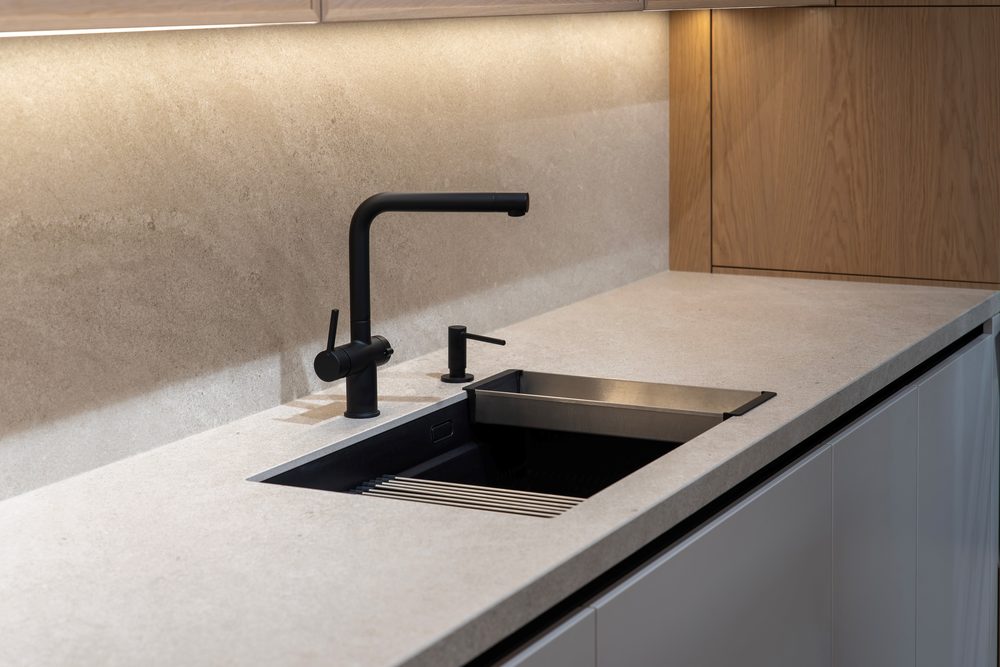
You are not avoiding the dishes because you do not care. You are avoiding them because the sink is a cold, wet, slimy, multi-step job with no clear end, and every time you walk past it, it gets a little heavier. Search "ADHD dishes" and you will find thousands of people describing the same sink.
This post treats dishes as what they are for an ADHD brain: a sensory problem, a sequencing problem and a starting problem, stacked on top of each other. There are fixes for each layer, and a recovery plan for the sink that has been full since last Tuesday.
Why dishes are a sensory and sequencing problem
Start with the senses. Wet hands, cold water that turns too hot, food residue with an unpredictable texture, the smell of a pan that sat overnight, the clatter of plates in a steel sink. Many people with ADHD also have heightened sensory sensitivity, and dishes hit almost every channel at once. It is reasonable to find that unpleasant. It is not a character flaw.
Then the sequence. "Do the dishes" is at least nine steps: clear the counter so there is somewhere to put clean things, empty the drying rack, scrape, stack, fill the sink, wash in the right order, rinse, dry or rack, wipe the sink. If the dishwasher is full of clean dishes, add unloading before any of that. A pile of sequencing with no obvious first step is exactly the kind of task that stalls, and the longer it stalls, the more steps it grows. The crusted pan now needs a soak. The sink now needs clearing before it can be filled.
Finally, there is no finish line. A clean sink is clean for about forty minutes. A chore that undoes itself is hard to feel rewarded by, and reward is what gets a task started next time. Our post on sensory overload and overstimulation covers the sensory side in more depth.
The one-sink rule and the two-minute rinse
Two small rules reduce the pile at the source, which is easier than attacking it once it is tall.
The one-sink rule. Dirty dishes are allowed in one sink basin and nowhere else. Not the counter, not the stove, not the table. When the basin is full, that is the cue to wash, and because a basin only holds one meal's worth, the job is always small. If you have a single basin, use a dish tub the same way. The point is a visible, physical limit that replaces the decision of when to start.
The two-minute rinse. After every meal, before you sit down, rinse and stack what you just used. Not wash. Rinse. Two minutes, warm water, no soap, shoes on if that helps you stay standing. A rinsed plate three days later is a quick wash; an unrinsed plate three days later is a scrape, a soak and a smell. The rinse is the step that stops a small pile from becoming a hard one.
Gloves help more people than admit it. A pair of lined rubber gloves removes the wet-hands and texture problem in one move, and they cost a few dollars at any grocery store. Warm water you control, a long-handled brush instead of a sponge, and a window open if the smell is the issue.
Dishwasher logic: run it half full
If you have a dishwasher, the rule that helps most is counterintuitive: run it every night, even half full. The reasoning is that a dishwasher only works if it is empty when you need it, and waiting for a full load means the machine is often full of clean dishes when the sink fills up. Then you have two jobs: unload and load. One is bad enough.
- Run it at the same time every night, right after the two-minute rinse. Use the delay-start if your utility has cheaper off-peak rates; in Ontario, for example, time-of-use pricing makes overnight runs cheaper.
- Unload it first thing in the morning while the kettle boils. Pair it with something you already do and it stops being a separate task.
- Do not pre-wash. Scrape and load. Modern machines handle residue, and pre-washing adds a sink step that defeats the purpose.
- If unloading is the stall, unload only the top rack and the cutlery. The bottom rack can wait for the evening.
- Half-full runs use a little more water and power per plate. That is a real cost, and a small one next to a week of takeout because the kitchen was unusable.
Reducing the dish count: fewer plates, one cup
A sink can only hold what you own. If the cupboard has twelve plates and ten mugs, the pile can reach twelve plates and ten mugs before anything forces the issue. Reduce the supply and the pile has a ceiling.
- One cup per person, rinsed and reused all day. Mugs are the single biggest source of dish volume in most homes.
- Two plates and two bowls per person in reach. Box the rest in a cupboard you do not open. You are not throwing them out; you are putting a limit on the sink.
- One-pot and sheet-pan meals on weeknights. A dinner that uses one pan, one plate and one fork is a two-minute rinse. A dinner that uses four pots is a project.
- A cutlery cup on the counter for the few pieces you actually use, so the drawer is not the bottleneck.
This feels like cheating. It is not. It is designing the kitchen around the brain that lives in it, which is the whole idea behind how coaching or CBT approach home organisation that never seems to stick.
Dishes as a body-doubling task
Dishes are an ideal body-doubling task because your hands are busy and your mouth is free. Phone a friend, put the call on speaker on the windowsill, and wash while you talk. Twenty minutes of conversation covers most sinks. Some people do it with a podcast or a video call with a sibling in another province. The company is not there to help. It is there to make starting feel less like a wall.
If you live with someone, swap rather than share. You wash their dishes while they fold your laundry. Nobody is cleaning their own mess, and the resentment layer that comes with shared chores drops away.
A recovery plan for a sink that has been full for a week, and what to try this week
When the sink has been full for days, do not try to empty it in one go. The job has grown teeth. Break it into rounds, each with its own stopping point, and expect it to take two or three sittings. A week-old sink was built over a week; it is allowed to take two days to unbuild.
- Round one, five minutes: pull everything out of the sink onto the counter, sorted into stacks. Plates, bowls, cups, cutlery, pots. Fill the sink with hot soapy water and put the pots in to soak. Stop.
- Round two, ten minutes, with a call or a podcast: wash the cutlery and cups only. They are fast and they free up the most space. Stop.
- Round three, ten minutes: plates and bowls. Rack them, do not dry them. Stop.
- Round four, whenever: the pots, which have been soaking since round one and are now easy. Wipe the sink. Done.
- Tonight, do the two-minute rinse after dinner and start the one-sink rule tomorrow morning.
Then this week: buy a pair of lined gloves, box up the spare plates, and pick a nightly dishwasher time. Three small changes, and the sink has a ceiling for the first time.
This article is for educational purposes only and is not medical advice, diagnosis, or treatment. Always consult a licensed healthcare professional about your individual situation. If you are in crisis or thinking about self-harm, call or text 9-8-8, Canada’s Suicide Crisis Helpline, at any time.
Finding Focus uses AI tools to help research and draft some articles. Every article is edited and fact-checked by the Finding Focus team before publication. See our editorial and medical review policy.