Hobbies for Teens with ADHD That Last Past the Second Week
Which hobbies tend to hold a teen with ADHD past the novelty, what each kind teaches, and cheap Canadian ways to try before buying gear.

The guitar is in the closet. The skateboard is under the bed. The sewing machine was a birthday present and it has been used twice. If you are a parent searching for hobbies for ADHD teens, you may be less interested in a list of activities than in the one question underneath: which ones will still be happening in March.
There is no hobby that is right for every teen with ADHD. But there are patterns in which ones tend to stick. The hobbies that last usually have fast feedback, a visible result, a built-in community, and a low cost of starting over. This post sorts activities by those traits, suggests ways to trial them cheaply in Canada, and covers the harder question of when to let one go.
Why teens with ADHD cycle through hobbies fast, and why that isn't failure
Many teens with ADHD are drawn hard to new things. Novelty is interesting, and interest is what makes attention easy. The first two weeks of anything are all novelty: new gear, new skills arriving quickly, new people. Then the learning curve flattens, the gains get smaller and slower, and the thing that was effortless becomes effortful. That is the boring middle, and it is where most hobbies get quietly dropped.
It helps to stop counting dropped hobbies as failures. A teen who has tried eight things in two years has eight data points about what holds their attention and what does not. The useful move is to notice the pattern. Did they drop the thing when it got solitary, when it got slow, or when it required a parent to drive them? That tells you more than any list.
Hands-on and building hobbies: what they teach beyond the project
Building hobbies produce something you can hold, which matters to a brain that struggles to feel progress. They also tend to be forgiving of short, intense bursts. Twenty minutes of soldering is a real session. Twenty minutes of piano is a warm-up.
- Electronics and microcontrollers: starter kits built around small programmable boards cost 40 to 80 CAD, and a blinking light on day one is the kind of fast feedback that keeps a teen going. Teaches reading instructions carefully and debugging without rage.
- Bike or small-engine repair: a used bike and a set of hex keys is enough. Teaches sequencing, because reassembly only works in order.
- Cooking one dish well: not cooking in general. One dish, repeated until it is better than the restaurant version. Teaches tolerance for repetition with a reward at the end.
- 3D printing and woodworking: both are available free or cheap at many public library makerspaces, so the trial costs nothing but a library card.
What these hobbies teach beyond the project is planning, persistence through a problem, and the experience of finishing. Those are the skills many teens with ADHD get told they lack, learned in a setting where nobody is grading them.
Movement-based hobbies with quick feedback loops
Physical activity is good for most teens, and many teens with ADHD find that a hard workout makes the rest of the evening easier. But not every sport suits an attention style that drifts. The ones that tend to last give immediate, unambiguous feedback and do not involve standing in a field waiting for the ball to come your way.
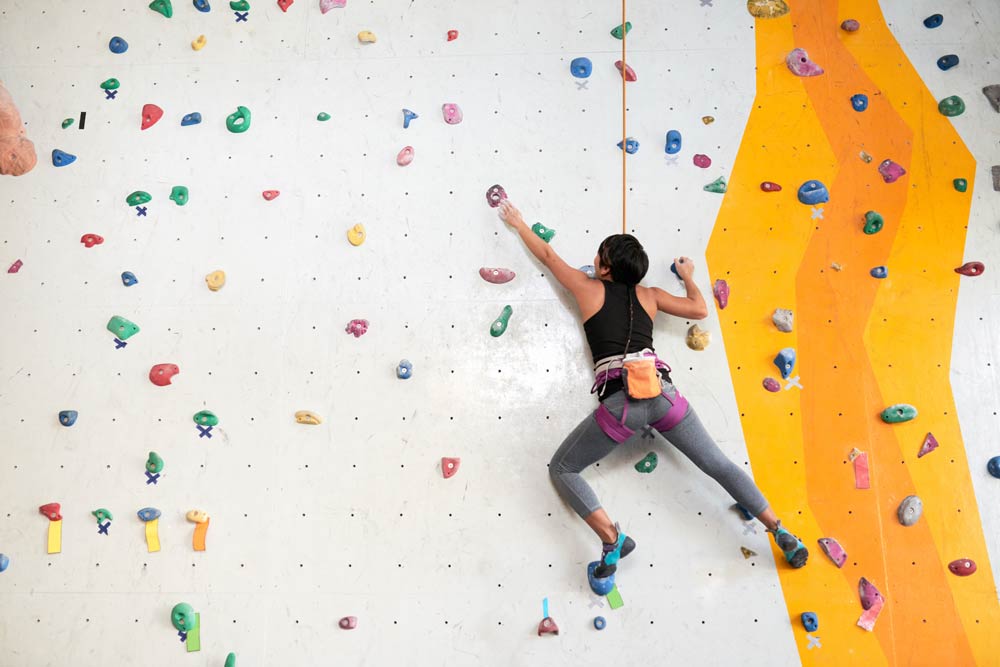
- Climbing: every route is a puzzle with a clear finish. Most Canadian climbing gyms sell an intro pass with rental gear for under 30 CAD.
- Martial arts and boxing: structured, repetitive, physically loud, and with a belt system that makes progress visible.
- Skateboarding and scootering: self-directed, no coach, no schedule, and the feedback is whether you landed it. Free outdoor skateparks exist in most cities.
- Swimming and running: solitary and rhythmic, which some teens find calming and others find unbearable. Worth one honest try.
- Team sports with constant movement: basketball, hockey, ultimate. The ones where attention is forced by the pace rather than demanded by a coach.
For a teen who has never liked gym class, the trick is often to separate sport from being good at sport in front of other people. A climbing gym at 9 p.m. on a Tuesday has no audience.
Creative and screen-adjacent hobbies that don't become endless scrolling
Screens are not the enemy. Passive screens are. The test for a screen-adjacent hobby is simple: at the end of an hour, does something exist that did not exist before? Editing a video, writing a song, building a game level, coding a bot for a group chat. All of these pass. Watching other people do them does not.
- Music production: free digital audio software runs on most laptops, and a finished 90-second track is a complete, shareable object.
- Video editing and photography: the phone they already have is the camera. The hobby is in the editing, not the shooting.
- Game modding and simple game-making: free engines with large teen communities. Teaches logic and patience with a payoff kids actually care about.
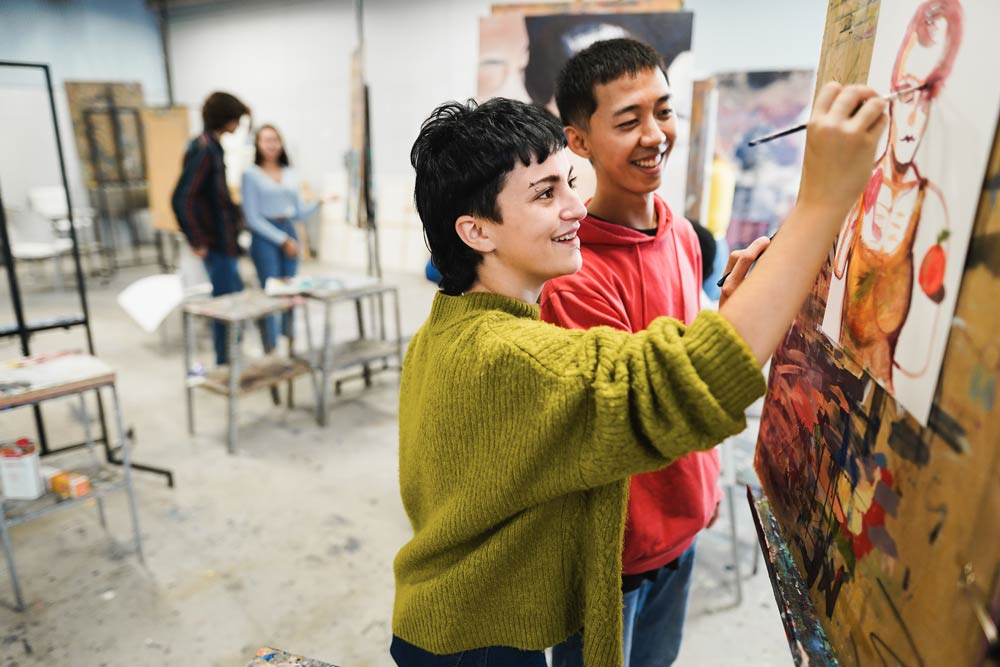
- Drawing, comics and digital art: a sketchbook costs five dollars. A used drawing tablet costs under 100 CAD on resale sites.
- Dungeons and Dragons and other tabletop games: social, structured, imaginative, and often run free at libraries and game shops.
The one rule that keeps these from sliding into scrolling is a visible output. Ask to see the thing, not the progress. More on choosing by interest in our guide to finding hobbies that align with ADHD interests.
Low-cost ways to trial a hobby in Canada before buying gear
The expensive mistake is buying the full kit in week one. Trial first. Canada has more free and low-cost options than most families realise:
- Public libraries: makerspaces with 3D printers, recording booths and sewing machines in many city systems. Some branches lend musical instruments and board games. Ask at the desk.
- Municipal recreation: most cities run drop-in and intro sessions for a few dollars, and fee-subsidy programs for families who qualify. Search your city's name plus recreation fee assistance.
- Canadian Cadet programs: free for ages 12 to 18, with sailing, flying, marksmanship, music and expedition training. One of the best-kept secrets in Canadian youth programming.
- Climbing gyms, martial arts studios and dance schools: nearly all offer a first class free or a cheap intro pass. Take it.
- Resale: used bikes, boards, instruments and tablets are plentiful on local marketplaces, and can be resold for close to what you paid if the hobby ends.
A rule of thumb for families: no gear purchase over 50 CAD until the hobby has survived four weeks, and the teen pays a share of anything over 150.
When to let a hobby go, and what to try this month
Here is the honest line. If your teen stopped because the boring middle arrived, it may be worth one more push, with a concrete goal and a date: finish one song, land one trick, complete one build. If the goal is met and they still want out, let it go without comment. If they stopped because the activity made them feel bad about themselves, let it go now. Pushing through shame is not a life skill. It is just shame.
This month, pick one activity from each of the three groups above and book a trial for each. Let your teen choose the order. Keep the trial cheap and the conversation afterwards short: want to go again is the only question. Our post on developing hobbies and passions has more on keeping interest alive. And if the pattern of starting and stopping is showing up in school and friendships too, not only hobbies, it may be worth reading about ADHD assessments for teens so you know what is involved.
This article is for educational purposes only and is not medical advice, diagnosis, or treatment. Always consult a licensed healthcare professional about your individual situation. If you are in crisis or thinking about self-harm, call or text 9-8-8, Canada’s Suicide Crisis Helpline, at any time.
Finding Focus uses AI tools to help research and draft some articles. Every article is edited and fact-checked by the Finding Focus team before publication. See our editorial and medical review policy.