Iron, Zinc and Magnesium in ADHD: What the Deficiency Studies Show
What the iron, zinc and magnesium studies actually show in ADHD, why a blood test comes before any supplement, and when natural still needs a clinician.
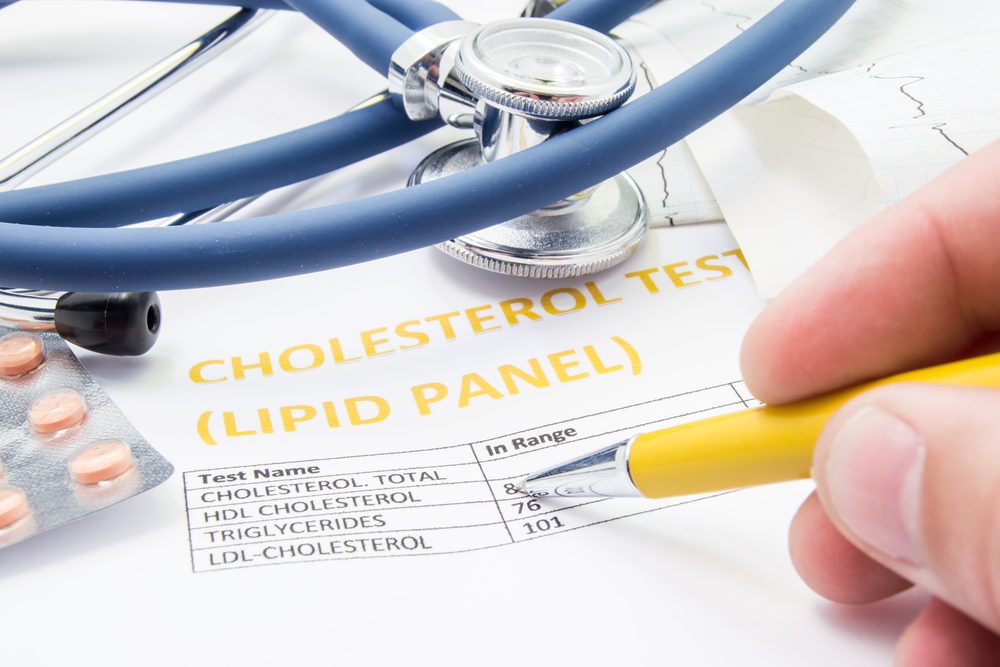
You have read that iron deficiency and ADHD are connected. Maybe a friend said magnesium changed everything for her. Maybe a forum post listed zinc as the thing nobody tells you about. The supplement aisle is right there, the bottles are cheap, and the claims on the labels are confident. Before you buy anything, it is worth knowing what the research on these three minerals actually found, because the honest answer is more interesting than either the hype or the dismissal.
This explainer covers the iron and attention studies and their limits, the small zinc and magnesium trials, why a blood test is the step that comes before any supplement, where 'natural' still needs a clinician, and what a standard ADHD assessment does and does not check. It is written for Canadian adults and parents, and it is not advice for any individual.
Ferritin and attention: the association studies and their limits
Ferritin is a blood marker of the body's iron stores, and it is the measure most of the ADHD iron research uses. The finding that started the interest came from a study of children with ADHD that reported lower average ferritin than in children without ADHD, with lower levels associated with more severe symptom ratings. Since then, a number of studies have looked at the same question, and a meta-analysis pooling them found that, on average, children with ADHD had lower ferritin than controls, while measures such as haemoglobin and serum iron did not differ consistently.
That is a real association, and it comes with real limits. Almost all of it is in children; adult data are thin. Association is not cause: low iron could contribute to attention problems, or children with ADHD could eat differently, or both could be driven by something else. Ferritin also rises with inflammation, which muddies it as a pure iron measure. And the trials that actually gave iron to children with ADHD and low ferritin are small and few. The reasonable reading is that low iron stores are more common in people with ADHD than you would expect by chance, and that iron deficiency on its own produces fatigue and poor concentration that can look like ADHD or sit on top of it. That is a reason to test. It is not a reason to supplement blind.
Zinc and magnesium: small trials, mostly in children
Zinc has been studied for ADHD since the early 2000s. Several of the trials reporting an effect were conducted in regions where zinc deficiency is common in the general population, which limits how far they travel. Trials in North America, where deficiency is rarer, have been smaller and less consistent. Reviews of the field tend to describe the evidence as low quality and the results as mixed, and no major guideline recommends zinc as a treatment for ADHD.
Magnesium follows a similar shape. A meta-analysis found lower average magnesium levels in children with ADHD than in controls, and a handful of small trials have given magnesium, sometimes with another nutrient, and reported changes in behaviour ratings. These are short, small, mostly in children, and not designed to answer whether adults with normal magnesium levels gain anything. The common thread for both minerals: a deficiency may be worth correcting on its own merits, and the evidence that supplementing a person who is not deficient does anything for ADHD is weak. Our broader post on whether ADHD supplements help covers the rest of the aisle.
Why a blood test is the step that comes before any supplement
Everything above points the same way. The useful question is not 'should I take iron' but 'am I low in iron', and that is a blood test, not a guess. In Canada, a family doctor or a nurse practitioner can order a complete blood count and a ferritin level, and the lab work is covered by your provincial health plan when a licensed clinician orders it. A walk-in clinic or a nurse practitioner-led clinic can do this if you do not have a family doctor. Ask for ferritin specifically; a normal haemoglobin does not rule out low iron stores.
Iron deficiency is common in people who menstruate, in vegetarians and vegans, in endurance athletes and in anyone with heavy periods or gut conditions, and its symptoms overlap with ADHD: tiredness, poor concentration, low energy, restless legs at night. That overlap is the practical reason clinicians check it when attention problems are on the table. Zinc and magnesium are harder to measure meaningfully in blood, which is one more reason the conversation about them belongs with a clinician rather than a label. The same logic applies to the thyroid, and our answer on how clinicians check whether thyroid problems are contributing walks through that parallel case.
Supplement safety: when 'natural' still needs a clinician
Minerals are not harmless because they are sold without a prescription. In Canada, supplements are regulated by Health Canada as natural health products, and a licensed product carries an eight-digit NPN on the label; that number tells you the product was reviewed for safety and quality, not that it treats ADHD. Some specific cautions:
- Iron can build up. Taking iron without a documented deficiency can cause stomach upset and constipation at best, and in people with an inherited tendency to absorb too much iron, which is not rare in Canadians of northern European descent, it can be genuinely harmful. Children are at particular risk from accidental overdose of iron tablets, which should be stored out of reach.
- Zinc in high doses depletes copper over time and can cause nausea. More is not better.
- Magnesium is usually gentle but causes diarrhoea at higher doses and needs care in anyone with kidney problems.
- Interactions matter. Minerals can affect how other medications are absorbed, including some antibiotics and thyroid medication, and timing relative to other pills can matter. Your pharmacist can check this in two minutes.
- Doses for children are not scaled-down adult doses. If a clinician recommends a supplement for a child, the dose and the duration should come from them.
What an ADHD assessment does and doesn't check
A standard ADHD assessment is a clinical process: a detailed interview about current symptoms and childhood history, rating scales, often input from someone who knows you, and a careful look at other explanations such as sleep, mood, anxiety and substance use. It does not usually include blood work, because no blood test diagnoses or rules out ADHD. What a good clinician does do is ask whether anything in your history suggests a physical contributor worth checking, and iron status is one of the common ones, alongside thyroid function. They may recommend you have those checked through your family doctor, or order them if they are able to.
Finding Focus offers online ADHD assessment and treatment for adults and teens in several Canadian provinces, with one consultation with a licensed Canadian clinician after a short online intake, and no referral is needed. You can read about the process at /adhd-services/. If you are already taking a supplement, bring the bottle or a photo of the label to any appointment; it is part of your history. And if you want the food-first version of this topic, foods that support focus covers what a diet rich in iron, zinc and magnesium looks like without a bottle.
What to do with this
- If you are tired, foggy and have any of the risk factors for low iron, ask a doctor or nurse practitioner for a complete blood count and a ferritin level.
- Do not start iron without a result. If the result is low, let the clinician set the dose and the recheck date.
- Treat zinc and magnesium as questions for a clinician or pharmacist, not as a default.
- Check for an NPN on any product you already take, and mention it at your next appointment.
- If attention problems have been lifelong, an ADHD assessment and a blood test are not alternatives. Many people need both.
References
- 1.Konofal E, Lecendreux M, Arnulf I, Mouren MC (2004). Iron deficiency in children with attention-deficit/hyperactivity disorder. Archives of Pediatrics and Adolescent Medicine. View source ↗
- 2.Wang Y, Huang L, Zhang L, Qu Y, Mu D (2017). Iron status in attention-deficit/hyperactivity disorder: a systematic review and meta-analysis. PLoS ONE. View source ↗
- 3.Arnold LE, DiSilvestro RA (2005). Zinc in attention-deficit/hyperactivity disorder. Journal of Child and Adolescent Psychopharmacology. View source ↗
- 4.Effatpanah M, Rezaei M, Effatpanah H, et al. (2019). Magnesium status and attention deficit hyperactivity disorder (ADHD): a meta-analysis. Psychiatry Research. View source ↗
- 5.Health Canada. Natural and non-prescription health products. View source ↗
This article is for educational purposes only and is not medical advice, diagnosis, or treatment. Always consult a licensed healthcare professional about your individual situation. If you are in crisis or thinking about self-harm, call or text 9-8-8, Canada’s Suicide Crisis Helpline, at any time.
Finding Focus uses AI tools to help research and draft some articles. Every article is edited and fact-checked by the Finding Focus team before publication. See our editorial and medical review policy.