Medication Reminder Apps for ADHD: Did I Take It or Not?
The reminder is the easy part. What you need is a log that answers the 9 a.m. question, a refill countdown and an anchor, in an app or a pill box.

It is 9:40 a.m. and you are standing in the kitchen trying to remember whether you took your medication. You remember the glass of water. You remember opening the cupboard. You cannot tell whether that was today or yesterday, and the bottle looks the same either way.
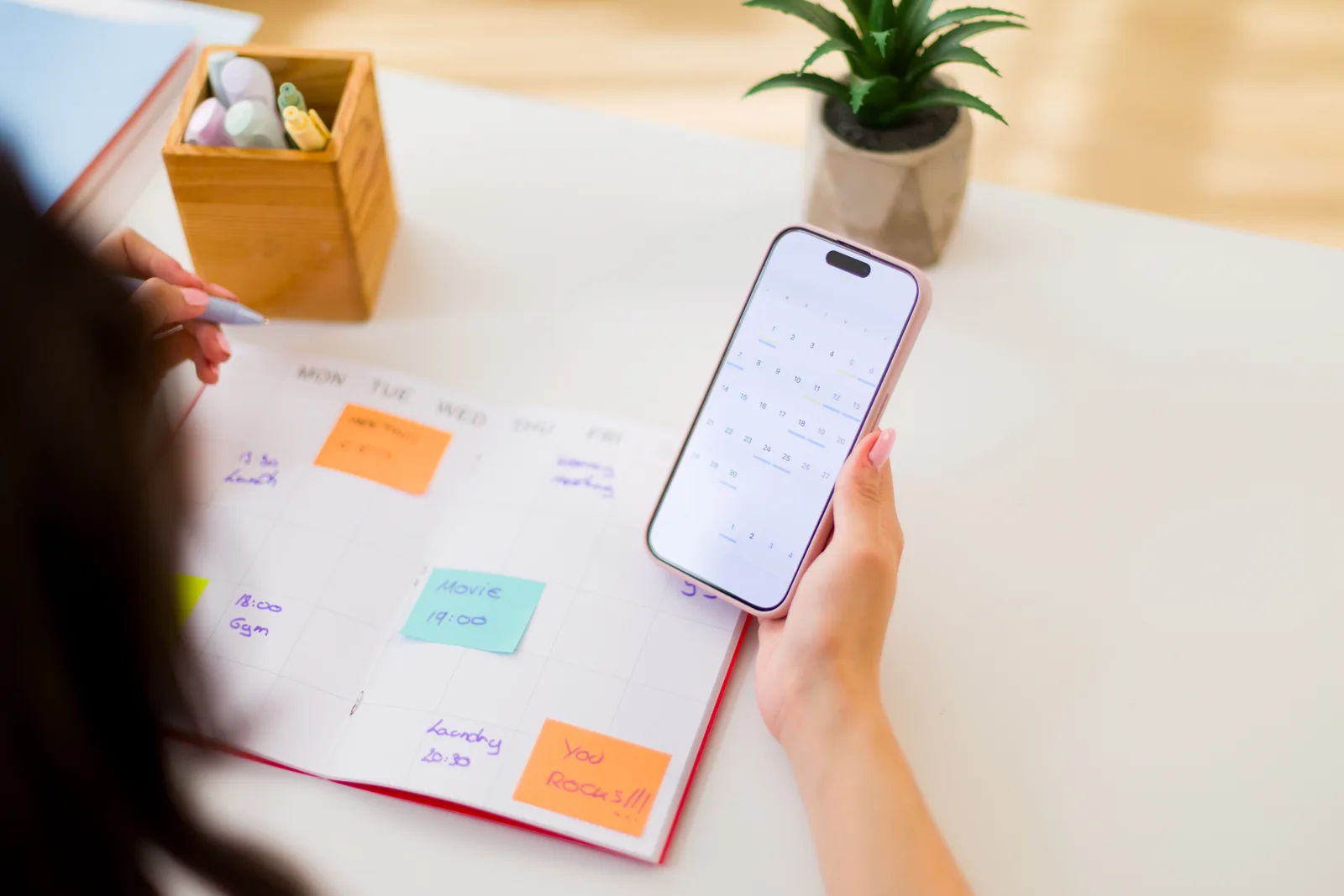
A medication reminder app for ADHD is usually bought to solve forgetting, but the morning scene above is the real problem, and a reminder does not fix it. What fixes it is a record. This post compares the three ways to keep one, from your phone's built-in tools to a plastic pill box, lists the features that actually matter, and ends with the one question no app should ever answer for you.
Why the dose question is a prospective memory problem
Remembering to do something at a future moment is called prospective memory, and it is one of the functions ADHD affects most. Remembering whether you already did something is a separate problem, and it is harder than it sounds for actions that are automatic. Taking a tablet is a ten-second habit that leaves almost no trace. The brain does not encode the event, so an honest search of memory returns nothing, and nothing feels the same as no.
That is why the useful tool is not the alarm. Many people with ADHD hear the alarm, dismiss it meaning to act in a minute, and then genuinely cannot say an hour later whether they did. The tool is whatever answers the question "did I take it today" with evidence rather than a feeling: a tapped log entry, an empty compartment, a timer that reset. The reminder is only there to get you to the evidence-making step.
Phone built-in reminders vs dedicated apps vs a pill organiser
- Built into the phone. On iPhone, the Health app has a Medications section that schedules reminders, lets you mark each dose as taken or skipped, and keeps a history. It can use critical alerts that sound through silent mode if you allow them. Android phones vary: some makers include a medication feature in their health app, and otherwise the plain Clock or Reminders app with a daily alarm and a checkbox does the job. Free, already installed, and nothing new to abandon.
- Dedicated apps. Medisafe and MyTherapy are the two most established, both with free tiers. They add refill countdowns, reports you can export, and a feature that notifies a chosen person if you miss a dose. The cost is one more app, one more account and, on paid tiers, one more subscription to lose track of.
- A pill organiser. A seven-day box with morning and evening compartments, filled once a week, costs a few dollars at any pharmacy. It is the lowest-tech log there is: the compartment is empty or it is not. Timer caps that show how long since the bottle was last opened do the same thing for a single bottle. Neither can remind you, so most people pair the box with a phone alarm.
If you are not sure, start with the built-in option plus a box. The box answers the morning question and the phone handles the nudge. Add a dedicated app only if you need the refill or sharing features.
Features that matter: a taken log, a snooze cap, a refill countdown
Any tool you choose should have these four things, and most of the fancier features can be ignored.
- A one-tap taken log that is visible from the notification itself, so marking the dose happens in the same second as taking it. If logging takes three taps, it will not happen.
- A snooze cap. A reminder that can be snoozed forever becomes background noise. Look for one that re-alerts a limited number of times and then marks the dose as missed so the record is honest.
- A refill countdown based on the number of tablets you have, with an alert a week out. In Canada, some ADHD medications are controlled substances with their own refill rules, and the countdown gives you time to contact the prescriber before the last tablet. Our answer page explains how ADHD medication refills work with an online clinic.
- A notes field per medication for the instructions your prescriber or pharmacist gave you, including what they said to do about a missed dose, so you are reading their words and not guessing.
Nice but optional: a sound that is different from every other alert on the phone, and a widget on the lock screen that shows today's status without unlocking.
Pairing the dose with an anchor you already do
An alarm set for 8:00 fails on the day you are in the shower at 8:00. An anchor is an action you already do every single day, in the same place, and the dose attaches to it: the kettle going on, brushing teeth, feeding the cat, the car starting. The bottle or box lives at the anchor, physically, not in a drawer across the room.
Then the phone reminder becomes a backstop, not the trigger. Set it for twenty minutes after the anchor usually happens, so that if the log is still blank by then, the alert catches it. People who travel or have irregular mornings often use two anchors, one for weekdays and one for weekends, and tell the app both schedules. Anything you take later in the day needs its own anchor, because afternoon doses are the ones most often missed; a lunch alarm or the end of a specific meeting works for many people. The method is the same one in setting alarms for task reminders, applied to a single task.
Sharing a log with your clinician before a follow-up
ADHD medication follow-ups are where doses get adjusted, and the conversation is only as good as the information in it. "I think I take it most days" is not information. A log that shows 26 of 30 doses taken, with the four misses all on weekends, is.
Before each follow-up, export the month from the app as a report or a screenshot, or photograph the pill box on a Sunday, and add three lines of your own: what time you usually take it, anything you noticed on the days you missed, and any side effects with dates. Bring that, and the appointment covers what matters instead of reconstructing the month from memory. Our answer page covers how often follow-up appointments happen after an ADHD diagnosis, and why medication follow-ups matter goes into what the clinician is looking for.
What to do about a missed dose: ask your prescriber, not the app
Every app in this category will, at some point, show a notification that says you missed a dose and offer a button. The button is not advice. Whether to take a missed dose later, skip it, or do something else depends on the medication, the time of day and your own prescription, and the only people who can answer that for you are your prescriber and your pharmacist. Guessing in either direction, including the guess that you probably did not take it, is exactly the risk the log exists to prevent.
So do this once, now, while nothing has gone wrong: ask your prescriber or pharmacist what their instruction is for a missed dose of your medication, and type it into the notes field of that medication in the app, or on a sticky note inside the pill box lid. The next time the 9:40 a.m. question comes up, the answer is in your own records, in their words. If the log is blank and you genuinely cannot tell, phone the pharmacy; that call is what pharmacists are for. This week: pick the tool, place it at an anchor, and write that one note.
This article is for educational purposes only and is not medical advice, diagnosis, or treatment. Always consult a licensed healthcare professional about your individual situation. If you are in crisis or thinking about self-harm, call or text 9-8-8, Canada’s Suicide Crisis Helpline, at any time.
Finding Focus uses AI tools to help research and draft some articles. Every article is edited and fact-checked by the Finding Focus team before publication. See our editorial and medical review policy.