Packing With ADHD: One Reusable List and a Night-Before Rule
A master packing list you build once and never rewrite, a night-before rule that moves the chaos out of the morning, and a three-item check at the door.
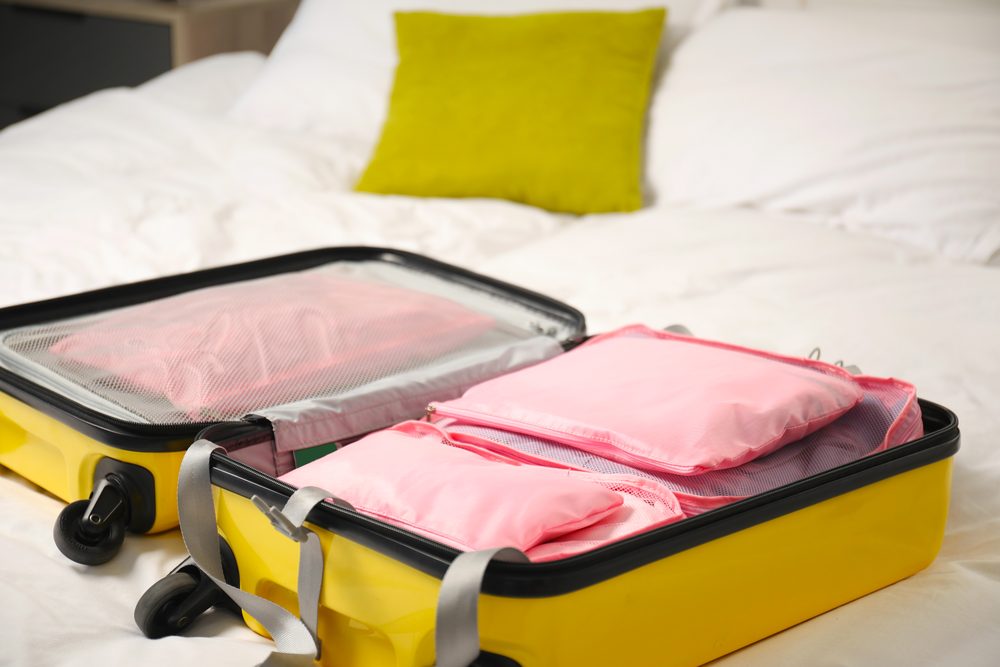
The flight is at 11. At 8:15 you are standing over an open suitcase holding a single sock, and you have just remembered that your passport is in the other bag, the one you lent to your brother. Packing for a trip with ADHD tends to go one of two ways: a frantic morning that forgets the chargers, or a week of low-grade dread that still ends in a frantic morning.
Neither is a willpower problem. Packing is a planning task with dozens of small decisions, a soft deadline that suddenly becomes hard, and no feedback until you are at the hotel without a toothbrush. This post replaces all of that with one list you write once and one rule about timing. There is a template you can copy, and a sweep for the hotel room so you bring everything home.
Why packing the morning of fails every time
Packing in the morning stacks three ADHD-unfriendly things on top of each other. You are making decisions from scratch (which shoes, how many shirts, does the hotel have a hair dryer) at the exact moment working memory is weakest. The clock is running, so every decision carries a small jolt of panic. And the items you need are scattered across rooms, so each one is a trip that can be interrupted by something else you notice on the way.
The fix is to remove the decisions, not to get faster at making them. A master list means you never decide what to bring; you only decide what to skip. A night-before rule means the clock is not running while you do it. Many people with ADHD find that once those two things are in place, the morning of a trip becomes almost boring, which is the goal.
A master list you never rewrite: by category, not by trip
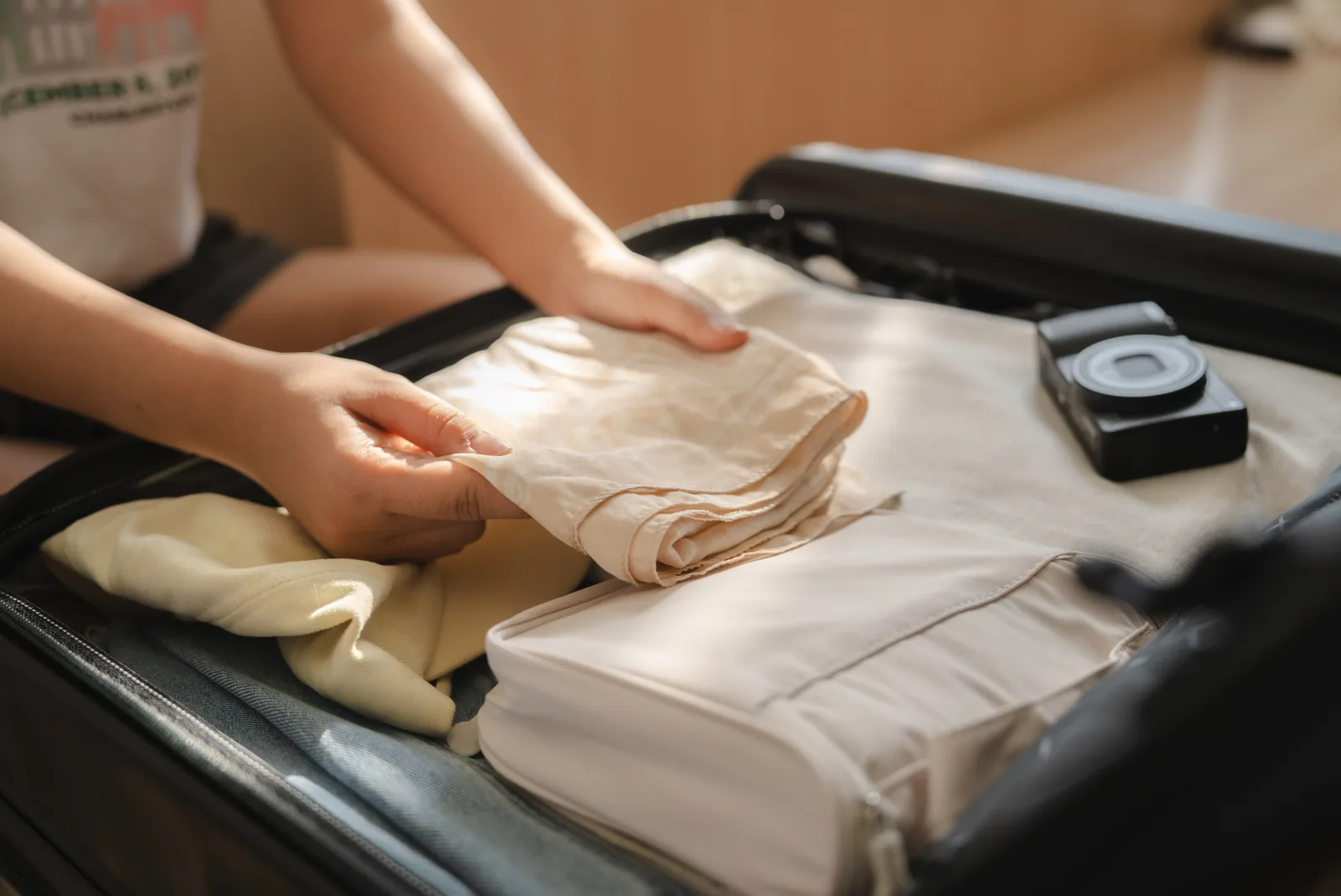
Most packing lists fail because they are written for one trip. A beach list is useless for a conference in Ottawa in February. A master list is written by category and includes everything you have ever needed on any trip, and you cross things off rather than adding them. Keep it in your phone's notes app, with checkboxes, and duplicate it for each trip so the master stays clean.
- Documents and money. Passport, driver's licence, provincial health card, NEXUS card if you have one, boarding pass downloaded, travel insurance details, one credit card and one debit card, a little cash in the local currency.
- Medication and health. Any prescription medication in its original pharmacy-labelled container, enough for the trip plus three days, pain reliever, allergy tablets, bandages, any device you use nightly. Our post on travelling with ADHD medication covers the paperwork side.
- Electronics. Phone charger, laptop charger, headphones, power bank, plug adapter, the one cable you always forget (watch, e-reader, camera).
- Toiletries. A pre-packed bag that lives packed. Toothbrush, paste, deodorant, razor, contact solution, 100 ml containers for carry-on, sunscreen. Replace items when you get home, not before the next trip.
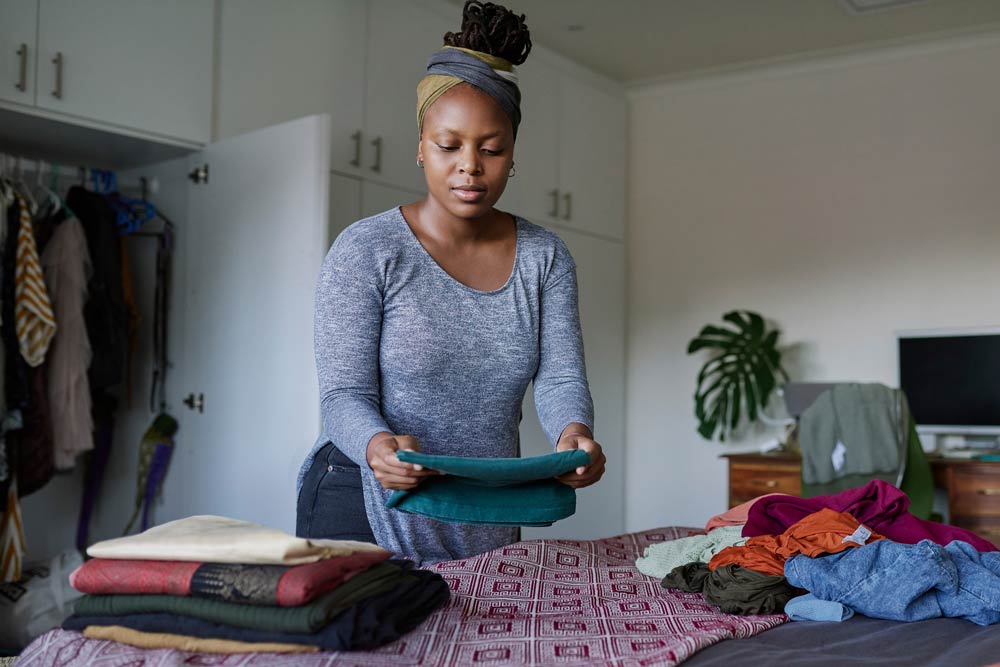
- Clothes. Count by days: one top per day, one bottom per two days, underwear and socks for days plus one, one warm layer, one rain layer, shoes you can walk in, sleepwear. Then the trip-specific line: swimsuit, formal outfit, hiking boots, winter coat.
- Home before leaving. Thermostat set, plants watered, bins out if pickup falls while you are away, spare key with a neighbour, mail held, fridge checked for anything that will not survive the week.
Every time you arrive somewhere and think 'I wish I had brought', add it to the master. Within three trips the list is complete and you will never think about it again.
The night-before rule: bag by the door, chargers in the bag
The rule is simple. The bag is packed, zipped and sitting by the door before you sleep. Not 'mostly packed'. Done. The things you will use in the morning, which is usually the phone charger, toothbrush and the clothes you are wearing, get a single sticky note on the bag that lists them.
- Two evenings before, duplicate the master list and cross off what this trip does not need. Ten minutes.
- The evening before, pack from the list in one sitting, with a timer running and nothing else open. Put the phone on the counter and use the list on paper if the phone is the distraction.
- Chargers go in the bag the moment they are unplugged, not 'in a minute'. If you need the phone charger overnight, a second cheap cable lives permanently in the bag so there is nothing to remember.
- Lay out the morning outfit on a chair, with shoes and the jacket. Keys and wallet go in the jacket pocket.
- Zip the bag, put it against the door you leave through, and go to bed. The morning job is: dress, brush teeth, sticky-note items, leave.
If you share a home, tell the other person the rule so they do not helpfully move the bag. If this kind of sequencing feels impossible every single time, not just for trips, ADHD coaching or CBT for home organisation is designed for exactly that pattern.
Passport, health card, medication: the three-item pocket check
Everything else on the list can be bought where you are going. These three cannot, or not easily. A passport is the obvious one for international trips, and a Canadian passport should have more than six months left for many destinations, so check the expiry date when you book, not when you pack. The provincial health card matters even inside Canada, since out-of-province care is billed back in confusing ways, and it is what travel insurance and some clinics will ask to see. Medication is the one that ruins a trip if it is left on the bathroom counter.
The check is physical. Before the door closes, you touch each of the three and say it out loud. Passport in the inside pocket. Health card in the wallet. Medication in the carry-on, never checked luggage. Do it at the door and again at security, when you have your hands on everything anyway. It feels silly. It works for a lot of people, and silly is cheaper than a missed flight.
The hotel room sweep before checkout
Items get left behind in the same four places every time, so sweep those four places in the same order every time. Say them as you go.
- Outlets. Every outlet in the room, including the one behind the bedside lamp and the one in the bathroom. Chargers are the most-left item in hotels.
- Bathroom. Shower shelf, counter, hook on the back of the door, the glass with your toothbrush in it.
- Bed. Under the pillows, between the mattress and the headboard, under the bed. Earbuds and phones live here.
- Drawers and safe. Open every drawer you used and every one you did not. Open the safe even if you think it is empty.
Then the three-item pocket check again at the room door. Passport, health card, medication. The sweep takes four minutes and saves the call to the front desk from the airport.
Unpacking the same day, and what to try before your next trip
A suitcase left zipped in the hallway becomes next month's doom pile. It also means the toiletry bag never gets restocked and the chargers never go back where they live. The rule is unpacking before you sit down, within an hour of walking in. Laundry straight into the machine, toiletries restocked from the cupboard, chargers back on the desk, the empty suitcase in the closet. It is a fifteen-minute job if it happens the same day and a three-week job if it does not. The two-minute rule logic applies here: small now or large later.
Before your next trip: write the master list from the categories above, in your notes app, with checkboxes. Pack a toiletry bag that stays packed. Put a second phone cable in your travel bag today. Then, the night before you leave, pack from the list, zip the bag, put it by the door and go to bed early for once.
This article is for educational purposes only and is not medical advice, diagnosis, or treatment. Always consult a licensed healthcare professional about your individual situation. If you are in crisis or thinking about self-harm, call or text 9-8-8, Canada’s Suicide Crisis Helpline, at any time.
Finding Focus uses AI tools to help research and draft some articles. Every article is edited and fact-checked by the Finding Focus team before publication. See our editorial and medical review policy.