Phone Call Avoidance With ADHD: Scripts and a Weekly Call Block
Why a two-minute call sits on the list for six weeks, how to tell avoidance from anxiety, four scripts you can read off the page and one call block a week.
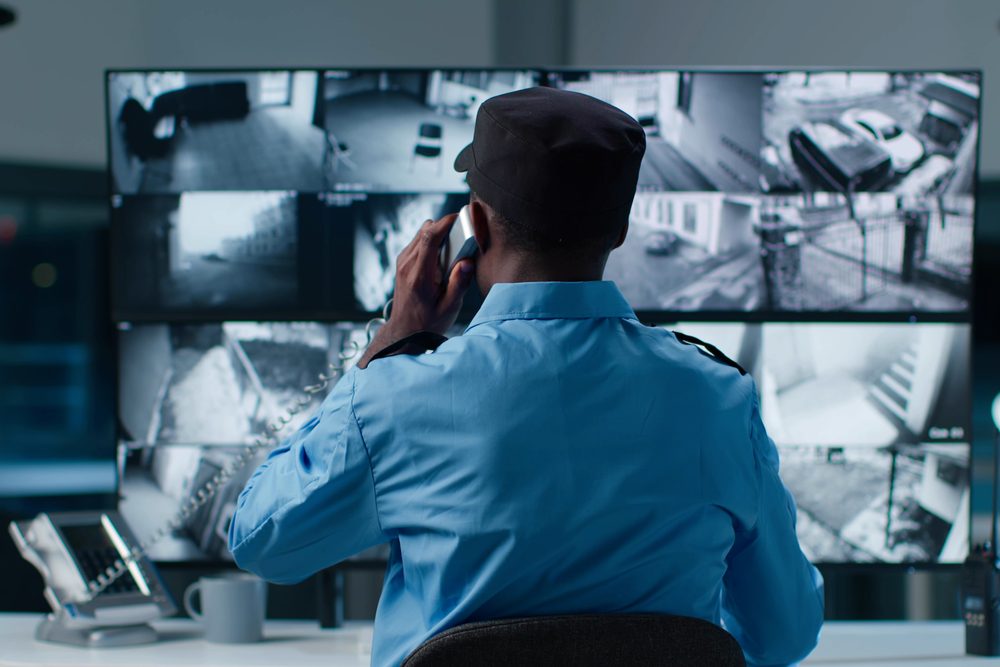
The dentist's number has been on your list since February. It is a two-minute call. You have rewritten the list four times and the call has survived every one of them, growing slightly heavier each week. ADHD phone call avoidance is one of the most common and least discussed admin failures, partly because it is embarrassing to explain that a phone call feels harder than a job interview.
This post does three things. It explains why calls are such a reliable sticking point for many people with ADHD, and how to tell whether what you are feeling is avoidance or something closer to anxiety. It gives you a weekly call block and four scripts you can read word for word. And it tells you which calls you are allowed to replace with a web form.
Why a two-minute call can sit on the list for six weeks
A phone call has almost every feature that makes a task hard to start with ADHD. It needs a specific moment, during business hours, when you are not doing something else. It needs preparation you have to think of in advance: the account number, the date you want, what you are actually asking. It is unpredictable, because the other person might ask something you do not know. And it has no natural cue. Nothing in your day says 'now is the time to call the dentist'.
On top of that is the hold music, the phone tree and the chance of a voicemail you will then have to wait for. For a brain that struggles with boredom, uncertainty and initiation, that is three obstacles stacked in front of a two-minute task. The avoidance is not about the call. It is about the shape of the call. If this pattern shows up across your whole life and you have never been assessed, it is reasonable to read about whether procrastination and overwhelm could be ADHD.
What is ADHD avoidance and what is anxiety
The two overlap, and many people have both, but they feel different from the inside and respond to different fixes. Only a clinician can sort out which applies to you. What you can do is notice the texture.
- Avoidance that looks like ADHD tends to be about friction. Once you are on the call, it is fine. The dread is front-loaded, evaporates the moment someone answers, and you wonder why you waited. The fix is removing friction and adding a cue, which is what the call block below does.
- Avoidance that looks more like anxiety tends to continue during and after the call. You rehearse, your heart rate climbs when it rings, you replay what you said afterwards and judge it. The dread is about being evaluated, not about getting started. Friction fixes help a little; the bigger help often comes from gradual practice and the kind of work done in CBT.
- Both at once is common. The practical response is the same: make the calls smaller and more predictable, then notice whether the dread shrinks. If it does not, that is useful information for a therapist.
Our post on social anxiety and ADHD covers the wider overlap. In Ontario, CBT and ADHD coaching at Finding Focus can include this kind of avoidance as a concrete target, which is often easier to work on than a vague goal like 'be less anxious'.
A 'call block' on one weekday with the numbers already written down
The block is 30 minutes, once a week, on the same weekday, in business hours. Tuesday or Wednesday at 10 a.m. is a good default; Monday mornings have long queues and Friday afternoons have nobody there. It goes in the calendar as a repeating event called 'Calls', with a 10-minute alert.
- During the week, every call that comes up goes on one note called Calls. Not the to-do list, where it will drown. The note has four columns: who, number, what I need, what they will ask. Fill in all four when you add it, so the block needs no preparation.
- At the block, sit somewhere you will not be interrupted, with the note open and a pen. Phone on speaker if that helps you doodle through the hold music.
- Start with the easiest call, not the oldest. The first one builds momentum for the rest.
- After each call, write one line under it: what was agreed, any date, any reference number. Then cross it off. If it went to voicemail, write 'left VM, call back next block' and move on without reloading the dread.
- Stop at 30 minutes even if the list is not done. The block exists next week too.
If you share admin with a partner, make the block joint. Two people with a list and a coffee is body doubling.
Scripts for the four calls everyone avoids: bookings, cancellations, billing, follow-ups
A script removes the unpredictable part. Read it off the page. Nobody on the other end can tell.
- Booking. 'Hi, I'd like to book an appointment with [name or service]. I'm an existing patient; my name is [name], date of birth [date]. Mornings work best, any day next week or the week after. What's the first you have?' Then, before hanging up: 'Could you text me a reminder a couple of days before?'
- Cancelling or rescheduling. 'Hi, I need to reschedule my appointment on [date] at [time]. My name is [name]. I'm sorry for the short notice. What's the next available?' If there is a fee: 'Is there any flexibility on the fee as a first miss? I'll rebook right now.' Then accept whatever they say.
- Billing. 'Hi, I'm calling about a charge on my account. Account number is [number]. On [date] there's a charge of [amount] that I don't recognise. Can you tell me what it's for?' Write down the explanation and any case number. If you need a refund: 'What do you need from me to reverse it?'
- Following up. 'Hi, I'm following up on [the referral, the application, the repair] from [date]. My reference number is [number]. Could you tell me where it's at and what the next step is?' End with: 'If I haven't heard by [date], who should I call?'
Keep the scripts in the Calls note so they are beside the numbers. For government lines like the CRA or Service Canada, add the line 'I'm happy to hold' and open the matching online account in another window while you wait, because the answer is often there.
Online booking and chat as legitimate workarounds
Replacing a call with a form is not cheating. Many Canadian clinics, dentists, physiotherapists and salons take online bookings. Banks, telecoms and utilities have chat agents who can do most of what the phone agent does and leave you a transcript. The CRA's My Account and Service Canada's online portals handle a large share of what people phone about. Pharmacies take refill requests by app.
The rule is simple: if the thing can be done without a call, do it without a call, and spend your call block on the ones that genuinely need a voice. Keep a short list of which regular contacts have online options. Just do not let 'I'll find the online option' become its own six-week avoidance. If the search takes more than five minutes, it goes on the Calls note.
Calls that cannot wait: the five-minute rule, and what to try this week
Some calls cannot wait for Tuesday. The school, a cancellation within the 48-hour window, a bank fraud alert, a prescription that runs out tomorrow. For those, the five-minute rule: when the thought arrives, you have five minutes to either make the call or write it in the Calls note with a specific time today. Five minutes is short enough that the dread has not had time to build, and the rule means the decision is already made. Our post on task initiation and procrastination has more on why the first five minutes decide most tasks.
This week: create the Calls note with its four columns and move every call off your to-do list into it. Put a repeating 30-minute 'Calls' event on next Tuesday at 10. Copy the four scripts into the note. Then, at the block, make the easiest call first and notice how the second one feels.
This article is for educational purposes only and is not medical advice, diagnosis, or treatment. Always consult a licensed healthcare professional about your individual situation. If you are in crisis or thinking about self-harm, call or text 9-8-8, Canada’s Suicide Crisis Helpline, at any time.
Finding Focus uses AI tools to help research and draft some articles. Every article is edited and fact-checked by the Finding Focus team before publication. See our editorial and medical review policy.