Running Errands With ADHD: Batching, Routes and the Return Trip
Five small errands feel like one giant task with ADHD. Batch them into one loop, fix a weekly errand hour, and clear the return living in your trunk.
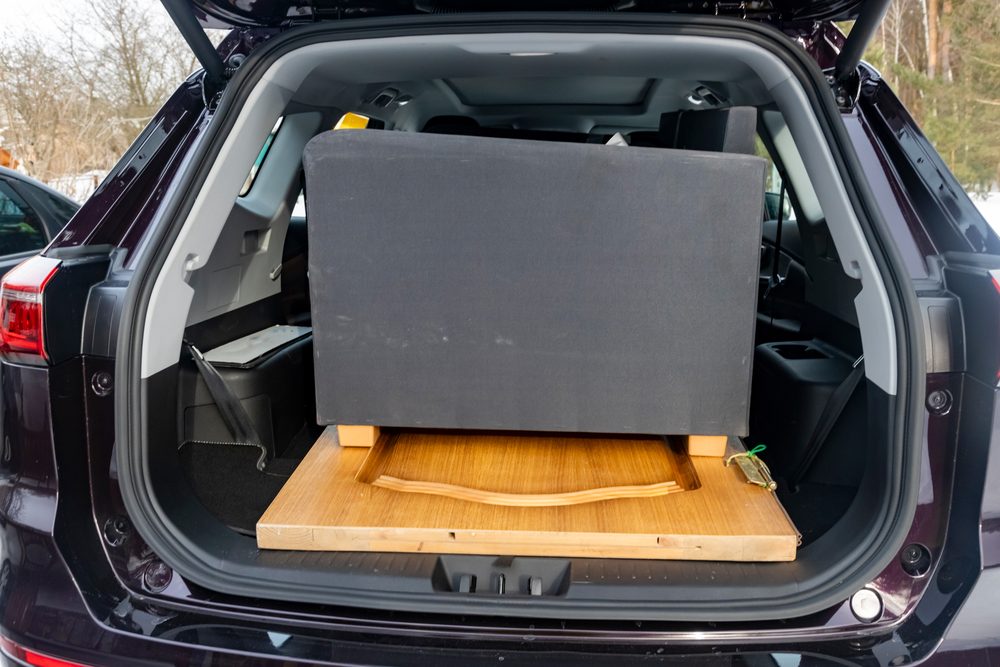
The parcel to return has been in the trunk for five weeks. The prescription is ready at the pharmacy and has been for nine days. The library book is overdue, the dry cleaning is still at the dry cleaner, and there is a bag of empties by the door that was meant to go back in March. None of these is hard. All of them together are impossible.
That is the ADHD errands problem in one sentence: five small tasks, each trivial, that refuse to become one trip. This post is about turning them into one trip anyway, with a loop, a fixed hour, and a rule for the things that have been in the trunk too long.
Why five small errands feel like one giant task
An errand is not one action. Returning a parcel is: find the parcel, find the return label, print the label if the printer works, find the tape, find the post office hours, drive, park, queue, hand it over. Each of those is a tiny decision, and decisions are what executive dysfunction makes expensive. Multiply by five errands and you are looking at forty small decisions before lunch.
Errands also have no deadline until suddenly they do. The return window closes, the pharmacy sends the prescription back, the library fine arrives. Without an edge to push against, many people with ADHD find errands sit in a permanent "soon" that never becomes "now". And because each one is small, skipping it feels harmless, right up to the day it is not.
The errand loop: one route, one day, one bag
The loop is a fixed route past the places you go most, driven or walked in the same order every time. You do not plan an errand run. You run the loop and drop off whatever is in the bag.
- List your regular stops: pharmacy, post office or parcel pickup, library, bottle return or recycling depot, dry cleaner, bank, hardware store. Most people have five to eight.
- Put them in the order that makes one circuit from home, with the heaviest or coldest stop last. Write the order down. That is the loop.
- Keep one errand bag by the door. Anything that needs to leave the house goes in the bag the moment you think of it: the return, the library book, the cheque to deposit, the form to drop off.
- On loop day, take the bag, drive the loop, and stop only where the bag has something for. Skip the rest without guilt.
- Add a paper checklist to the bag, one line per stop, so you tick as you go and do not drive home with the parcel still in the back.
The bag is doing the remembering. The loop is doing the planning. You are only doing the driving, which is the part you were never bad at.
Returns, pickups and the car-trunk graveyard
The trunk is where errands go to die. It feels like progress, because the item has left the house, but the item has not reached anywhere. A few rules help.
- Returns get a date on the box. Write the last day of the return window on the parcel in marker. Most Canadian retailers give 14 to 30 days; some give 90 but few give forever. A date you can see beats a policy you have to look up.
- Print the label at the store if you can. Several carriers and retailers in Canada let you show a code on your phone and print at the counter. That removes the home-printer step, which is the step that kills most returns.
- Pickups have a shelf life. Pharmacies typically hold a filled prescription for a limited number of days before returning it to stock; parcel lockers and post office holds usually run about a week to two. If you do not know the window, assume seven days.
- Nothing lives in the trunk past one loop. If an item has ridden the loop twice, the errand is wrong, not you. Either the stop is not on your loop or the task has a hidden step. Fix the step or let it go.
- The empties bag has a home, and it is not the hallway. In provinces with deposit returns, it goes in the trunk on loop day and comes out at the depot. Elsewhere it goes in the recycling and you stop carrying it around.
Pairing errands with an existing trip
A loop is for the weeks you have an hour. On the weeks you do not, pair. Every trip you already make is a free errand slot if the stop is on the way and the item is already in the bag. The commute passes a pharmacy. The school run passes the library. The grocery store has a post office counter at the back.
The trick is to pair in advance, not in the moment. In the moment you will drive past. So the pairing goes in the calendar as a note on the existing event: "Thursday grocery, plus library book". It sounds fussy. It is the difference between remembering in the parking lot and remembering at home. If you find your calendar never quite holds this kind of thing, our answer on whether an ADHD coach can help you build a calendar system you actually use is about exactly that gap.
Making a weekly errand hour a fixed appointment
An errand hour is one block a week, same day and time, in the calendar with an alarm, during which you run the loop. It is an appointment with yourself that you treat like a dentist visit. You do not decide whether to go. You go, with the bag, even if the bag is light.
Pick the hour by store hours, not by preference. Post offices and depots keep shorter hours than you think, and many close early on Saturdays. Weekday late afternoon or Saturday morning covers most of them. In winter, add fifteen minutes for scraping the car and slow roads. Going when the bag is light builds the habit; the week you skip because the bag is light is the week the bag starts filling up again. Our post on time blindness and why deadlines are difficult explains why the fixed slot does so much of the work.
When to outsource, order in or let it go, and what to try this week
Some errands are not worth the trip. Pharmacies in most provinces will deliver, often free within a radius. Many retailers will send a courier to collect a return for a small fee. Libraries have long since dropped fines in many Canadian cities, so the overdue book is less urgent than the guilt suggests. And some errands should simply be cancelled: the dry cleaning you have not missed in two months is telling you something.
A fair test: if the errand would cost under twenty dollars to outsource and has been in the bag for three loops, outsource it. If it has no cost to abandon, abandon it. The bag is for errands you are going to do, not a museum of good intentions.
- Write your loop tonight: five to eight stops, in one circuit, heaviest stop last.
- Put a bag by the door and move everything from the trunk into it. Write a return date on any parcel.
- Book one errand hour in your calendar this week, with an alarm.
- Add one pairing note to an existing event: "plus pharmacy" on the grocery trip.
- Cancel or outsource one errand that has been waiting more than a month.
This article is for educational purposes only and is not medical advice, diagnosis, or treatment. Always consult a licensed healthcare professional about your individual situation. If you are in crisis or thinking about self-harm, call or text 9-8-8, Canada’s Suicide Crisis Helpline, at any time.
Finding Focus uses AI tools to help research and draft some articles. Every article is edited and fact-checked by the Finding Focus team before publication. See our editorial and medical review policy.