ADHD in a Canadian Winter: Why November to February Hits Harder
Short days strip out light, movement and structure at the same time. Here is why ADHD often gets harder in a Canadian winter and what to put back.
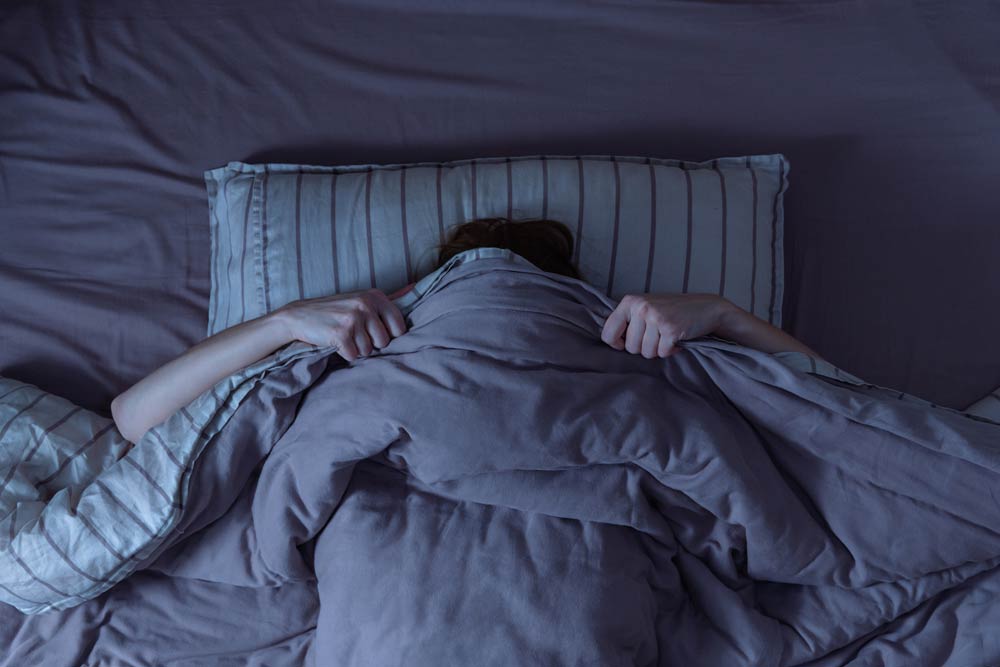
The clocks go back on the first Sunday of November and something slips. The planner that worked in September is blank by the second week. You are up later, out less, and the task you were going to do after work keeps losing to the couch because it is already dark at 4:45 p.m.
If you have noticed that your ADHD in winter is harder to manage than the rest of the year, you are not imagining it and you are not alone in it. The reasons are concrete and mostly about the environment, which is good news, because environments can be adjusted. This post explains what drops in a Canadian winter, what is known about the overlap between ADHD and seasonal mood changes, and what a realistic winter structure looks like.
Less light, less movement, less structure: three levers that all drop at once
Most ADHD strategies lean on three supports that the brain does not generate on its own: external cues, physical activity and regular daylight. Winter takes all three away in the same month.
- Light. On the shortest day the sun is up for roughly nine hours in Toronto and about seven and a half in Edmonton, and most of that falls inside work or school hours. Many people go days without being outdoors in daylight at all.
- Movement. The walk to the bus, the bike commute, the evening run and the weekend hike all get harder or stop. Movement is one of the more reliable non-medication supports for attention, and it quietly disappears.
- Structure. December is holidays, travel and irregular bedtimes. January is a cold restart with no momentum. February is just long. The routines that hold the week together take a hit in each of those months for a different reason.
Add later sunsets pulling bedtime later, more screen time indoors, and a food pattern that drifts toward whatever is quickest, and you have a season that removes supports and adds friction. It is not a character problem. It is a conditions problem.
ADHD and seasonal mood changes: what is known about the overlap
Seasonal affective disorder is a pattern of depression that arrives and lifts with the seasons, most often starting in late fall. It is a recognised diagnosis in Canada, and CAMH describes it in plain language in the reference below. The research on how it overlaps with ADHD is smaller than you might expect. Some studies of adults with ADHD have reported higher rates of seasonal mood symptoms than in the general population, with the proposed explanations pointing to sleep timing and light exposure rather than to ADHD itself. Treat that as a plausible pattern rather than a settled fact.
What matters more in practice is that the two can look alike from the inside. Low motivation, trouble starting, poor concentration, oversleeping and craving carbohydrates can all show up in a winter dip, and they can all show up in ADHD. If you have been wondering whether what you are feeling is ADHD, burnout or something else, our answer on whether it is ADHD or just stress and burnout walks through how clinicians tell these apart. The honest answer for winter is often: both, and the environment is making each worse.
A winter structure: fixed wake time, one daily outing, one social anchor
You do not need a new system in November. You need three fixed points that survive the dark, and everything else can be loose around them.
- A fixed wake time, seven days a week. Not a fixed bedtime; those fail. A fixed wake time, with the blinds open and a light on, is the single anchor that keeps sleep timing from drifting an hour a week until February. It is also the lever that the circadian research most consistently points to, and ADHD sleep timing is already prone to drifting late without winter's help.
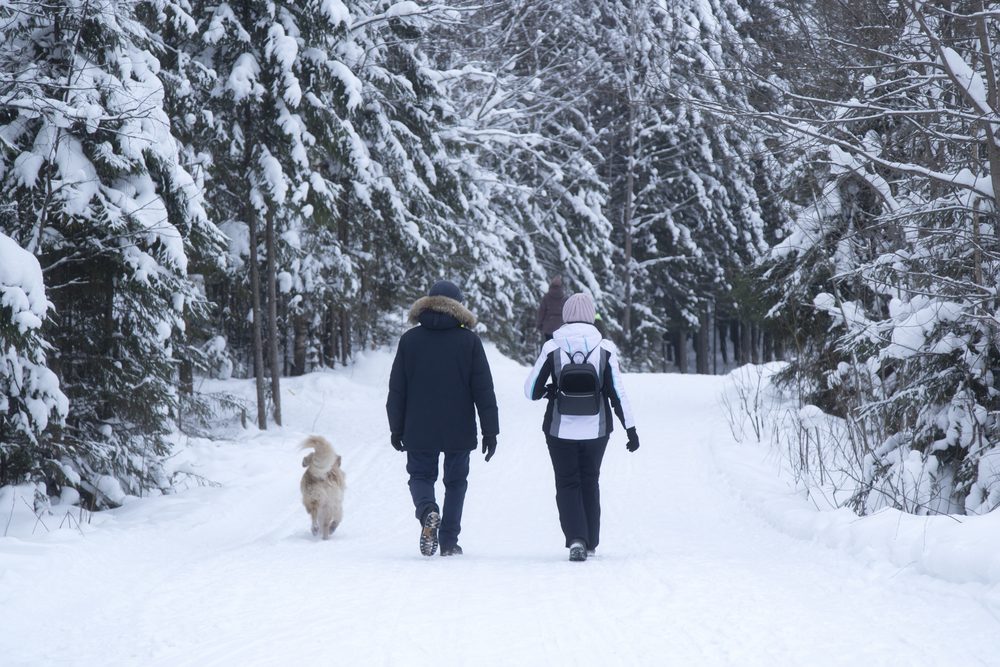
- One daily outing in daylight. Fifteen minutes counts. A walk around the block at lunch, the long way to the car, or taking the dog out before noon instead of after dark. Decide the time the night before so there is nothing to decide in the morning.
- One social anchor per week. A standing thing that other people expect you at: a Thursday skate, a curling league, a Sunday call, a weekly class at the community centre. Winter isolation and ADHD avoidance compound each other, and a commitment with other people in it is harder to skip than one you made with yourself.
Put the three on a card on the fridge. If a week goes badly, you check the card, not your character.
Light, movement and food in short Canadian days
Light. Get outside in the first two hours after waking when you can, even under cloud. Sit by a window at work if there is one. Bright-light lamps are widely used for seasonal mood symptoms, and they are a conversation to have with a clinician rather than a self-prescription, partly because timing matters and partly because they are not right for everyone.
Movement. The outdoor version needs the right gear, and the gear needs to live by the door. Ice cleats for sidewalks cost about 30 dollars at any hardware store and they remove the most common excuse. The indoor version needs zero setup: a short bodyweight routine, stairs, a rec-centre drop-in pass. If the gym is a 25-minute drive in the dark, it is not your winter plan. Pick the thing you can start in two minutes.
Food. Winter eating with ADHD tends to drift toward skipped breakfasts and a large, late, carbohydrate-heavy dinner, which makes the afternoon crash and the evening wakefulness worse. Aim for something with protein within an hour of waking and a real lunch at roughly the same time each day. Batch-cook once a week if you can, and keep two or three no-cook options on hand for the days you cannot. Regularity is the point, not perfection.
When winter low mood needs a clinician, not a lamp
A winter slump is one thing. A pattern where, every year, you stop being able to function from November to March is another, and so is a low mood that is new, steep or frightening. Signs that you should talk to someone rather than adjust the environment include low mood most of the day for more than two weeks, losing interest in things you normally like, sleeping or eating very differently from your usual, pulling away from people, or thoughts of not wanting to be here.
If you are having thoughts of suicide or self-harm, Canada's 9-8-8 Suicide Crisis Helpline is available by call or text, 24 hours a day, 7 days a week.
If the question is more about whether unassessed ADHD is part of what makes every winter so hard, that is a reasonable thing to get looked at. Finding Focus offers online ADHD assessment and treatment for adults and teens in several Canadian provinces, with one consultation with a licensed Canadian clinician after a short online intake and no referral needed. Many people find a winter crash is what finally pushes them to ask the question. It is also worth reading about the signs of ADHD-related burnout, because by February the two are often tangled together.
What to try this week
- Set one wake time and keep it this weekend. Open the blinds and turn on a lamp the moment the alarm goes.
- Pick a daily fifteen-minute daylight outing and decide its time the night before.
- Book one social anchor for the week that involves other people expecting you.
- Put the boots, cleats and coat by the door tonight.
- If this winter feels different from a slump, book the appointment rather than waiting for March.
References
- 1.CAMH. Seasonal Affective Disorder (SAD). View source ↗
This article is for educational purposes only and is not medical advice, diagnosis, or treatment. Always consult a licensed healthcare professional about your individual situation. If you are in crisis or thinking about self-harm, call or text 9-8-8, Canada’s Suicide Crisis Helpline, at any time.
Finding Focus uses AI tools to help research and draft some articles. Every article is edited and fact-checked by the Finding Focus team before publication. See our editorial and medical review policy.