Naps and ADHD: Why a 20-Minute Nap Turns Into Three Hours
Why ADHD adults nap, what nap length does to the night after, how to set up a 20-minute nap that actually ends, and when daily naps belong at a clinic.

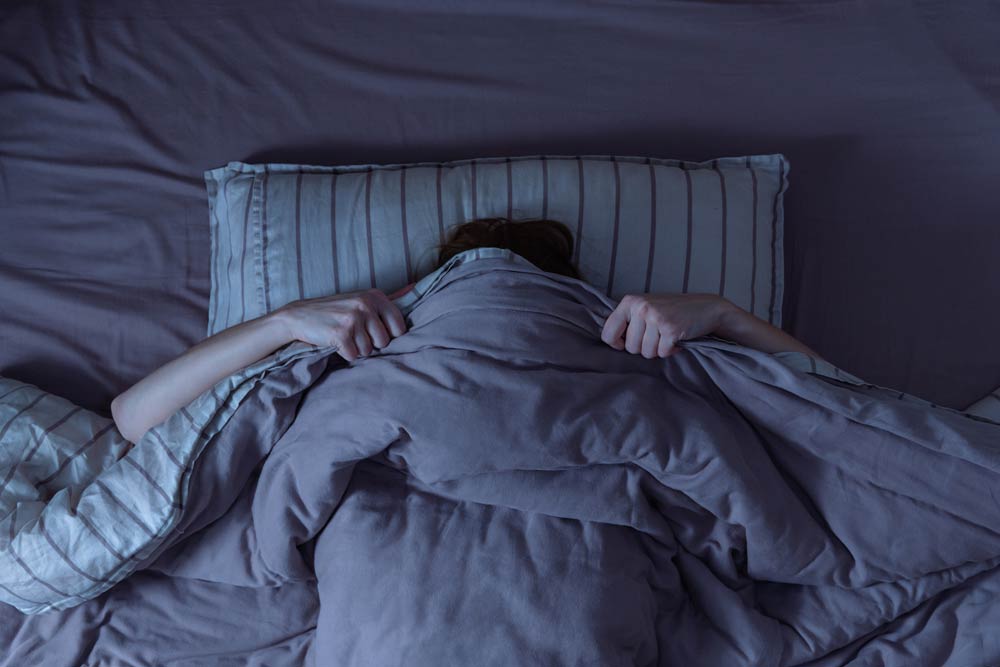
You lay down at 2:30 for twenty minutes. It is now 5:45, it is dark, you have a headache, and tonight's sleep is already lost because you will be wide awake at midnight. ADHD naps have a particular reputation: they are not naps so much as unscheduled nights, and they tend to arrive on exactly the afternoons you could least afford them.
This post looks at why many adults with ADHD nap in the first place, what nap length does to the night that follows, how to set up a 20-minute nap that ends when it is supposed to, when a walk beats a nap, and when daily napping is a sign to raise with a sleep or ADHD clinician rather than another thing to feel bad about.
Why ADHD adults nap: sleep debt, the afternoon dip, escape
Three reasons account for most ADHD napping, and they often stack.
- Sleep debt. Many adults with ADHD go to bed late, fall asleep later still, and wake to an alarm. Five or six hours a night, five nights running, produces a sleepiness by Thursday afternoon that no amount of coffee covers. The nap is the body collecting.
- The afternoon dip. Everyone's alertness sags in the early afternoon, usually between 1 and 4. For someone running short on sleep and whose attention already needs more effort to hold, the dip can feel less like a sag and more like a cliff.
- Escape. Sleep is a reliable way to make a hard afternoon stop. The task is boring, the inbox is loud, and the couch offers three hours in which none of it exists. This nap is less about tiredness and more about avoidance, and it tends to be the one that goes long.
It helps to know which one you are doing before you lie down. A sleep-debt nap is a repair. An escape nap is a procrastination strategy with a hangover. Our post on ADHD and sleep problems covers the night-time side that usually sits underneath all three.
What nap length does to night sleep
Sleep clinicians generally describe naps in terms of two things: how deep you go, and how much sleep pressure you spend. A nap of 10 to 20 minutes stays in light sleep. You wake relatively clear and have used only a little of the drive that builds through the day toward bedtime. Past about 30 minutes, most people descend into deep sleep, and waking from it brings the heavy grogginess of sleep inertia that can last an hour.
A nap of 90 minutes or more runs a full sleep cycle, which is why a three-hour nap can feel like a night: it was most of one. The cost is paid at bedtime. Sleep pressure has been spent, the body clock now reads the evening as late morning, and you are alert at midnight for reasons that feel mysterious but are not. Timing matters too: the later the nap, the more it borrows from the night. For most people a nap after 4 p.m. is a loan at a bad rate.
The three-hour nap and the midnight second wind it causes
Here is the loop as many adults with ADHD live it. Short night. Afternoon crash. Long nap. Wide awake at midnight with a clear head and a sudden interest in reorganising the kitchen. Bed at 2:30. Alarm at 7. Short night. The nap is not the cause of the problem, but it is the part of the loop that is easiest to change, because it happens in daylight when you have some judgment available.
Breaking the loop usually means a few days of being tired in the afternoon on purpose, with the nap either capped or replaced, so that sleep pressure is high enough at 11 p.m. to get you to bed. Those few days are unpleasant. They are also short, and the alternative is the loop continuing indefinitely.
Setting up a 20-minute nap that actually ends: timer, chair, light
A nap that is going to end needs to be designed to end. The bed, the dark and the duvet are designed for the opposite.
- Not the bed. A couch, an armchair, the floor with a cushion. Somewhere slightly uncomfortable, where deep sleep is harder to reach and getting up is a small movement rather than a climb.
- Lights on, curtains open. Daylight tells the body clock this is a pause, not a night. An eye mask is fine; a dark room is not.
- Two timers, 20 minutes apart, across the room. The first is the nap. The second is the backup, because during sleep inertia you will turn off the first one and not remember it. Both must require standing to silence.
- Coffee before, if you drink it. A cup immediately before a 20-minute nap tends to kick in as you wake, which is the opposite of what happens if you drink it after.
- Something scheduled for the end. A call at 3:00, a pickup, a meeting, a friend expecting a text. An external reason to be upright at 2:55 is worth more than any alarm.
- Before 3 p.m. Earlier if you go to bed before 11. The nap goes in the calendar like a meeting, with an end time.
Naps vs a walk: the afternoon slump test
Not every slump needs sleep. A simple test: if you are yawning, your eyes are closing and you could sleep in a chair in a meeting, that is sleepiness, and a short nap is a reasonable answer. If you are foggy, bored, irritable and avoiding something, but could not actually fall asleep if you tried, that is fatigue or avoidance, and a nap will mostly turn into scrolling in a horizontal position.
For the second kind, ten to fifteen minutes of brisk walking outside, ideally in daylight, is the better tool for many people, and it does not borrow from tonight. Our post on how regular movement supports executive function covers why a short walk often does more for a flat afternoon than a long one would. Try the walk first on three afternoons this week and notice whether the nap urge survives it.
Naps every day: a sign to raise at a sleep or ADHD appointment, and what to try this week
An occasional nap after a bad night is ordinary. Needing a nap every day, falling asleep without meaning to, or waking unrefreshed after a full night are worth a conversation, because they can point to something other than ADHD or alongside it. Snoring and gasping, morning headaches and daytime sleepiness are a pattern clinicians take seriously; our answer on whether sleep apnea treatment can improve ADHD-like symptoms explains why. Our answer on how clinicians sort out ADHD-related sleep problems in adults describes the questions they will ask. If you take ADHD medication and the afternoon crash lines up with its timing, mention that to your prescriber; it is their call, not something to adjust on your own.
This week: keep a two-week log of nap start, nap end, bedtime and wake time, in a note or a sleep diary. Move the nap to the couch with two timers and the curtains open. Try the walk instead on three afternoons. If the log shows a nap every day or a night that never gets longer than six hours, take the log to a clinician, because that is the appointment it was made for.
This article is for educational purposes only and is not medical advice, diagnosis, or treatment. Always consult a licensed healthcare professional about your individual situation. If you are in crisis or thinking about self-harm, call or text 9-8-8, Canada’s Suicide Crisis Helpline, at any time.
Finding Focus uses AI tools to help research and draft some articles. Every article is edited and fact-checked by the Finding Focus team before publication. See our editorial and medical review policy.